Saint Petersburg Real Estate: A Practical Guide for Buyers, Investors and Renters
Saint Petersburg Real Estate: A Practical Guide for Buyers, Investors and Renters
Saint Petersburg is more than Russia’s cultural capital — it’s a dynamic property market with opportunities for primary buyers, investors seeking rental income, and those after a pied-à-terre in a historic city. This guide covers what matters most: neighborhoods, transaction steps, financing, legal checkpoints, and practical tips to make a confident purchase or investment.
Market snapshot (what to expect)
— Saint Petersburg offers a wide spectrum: historic apartments in the city center, mid-rise Soviet-era housing, modern new-build complexes, and suburban family homes.
— *Central districts* command premium prices and strong long-term demand from both owner-occupiers and short-term renters.
— *Outer and newly developing districts* often deliver better square-meter affordability and potential for capital growth as infrastructure expands.
— Rental demand remains steady thanks to students, young professionals, and business travel — expect higher seasonality in short-term lettings around cultural events and summer months.
> Note: Prices, yields and mortgage conditions change. Use this guide for strategy; always check current market data and speak with local specialists before transacting.
Why buy in Saint Petersburg?
— Distinctive architecture and cultural appeal attract tenants and long-term buyers.
— Diverse inventory allows entry at many price points.
— Ongoing urban development projects improve connectivity and create value pockets.
— A balanced mix of ownership and rental demand helps stabilize returns.
Best neighborhoods — quick guide
— Admiralteysky / Nevsky / Central — historic charm, tourist draw, high prices, excellent resale liquidity.
— Petrogradsky & Vasilievsky Islands — desirable for young families and professionals; good cafes, parks, transport.
— Primorsky / Petrogradskaya periphery — modern new-builds, family-friendly, good transport links to the airport.
— Kupchino / Frunzensky / Moskovsky outskirts — more affordable, strong rental pool of long-term tenants.
— Pushkin / Pavlovsk (suburbs) — villas and low-rise living, popular with buyers seeking more space and greenery.
Choose by your priority: capital appreciation, rental yield, lifestyle, or a mix.
New build vs secondary market
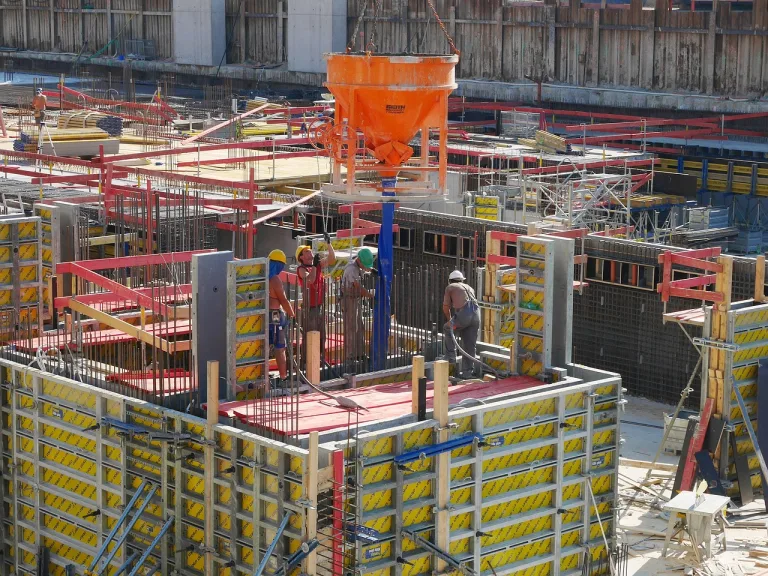
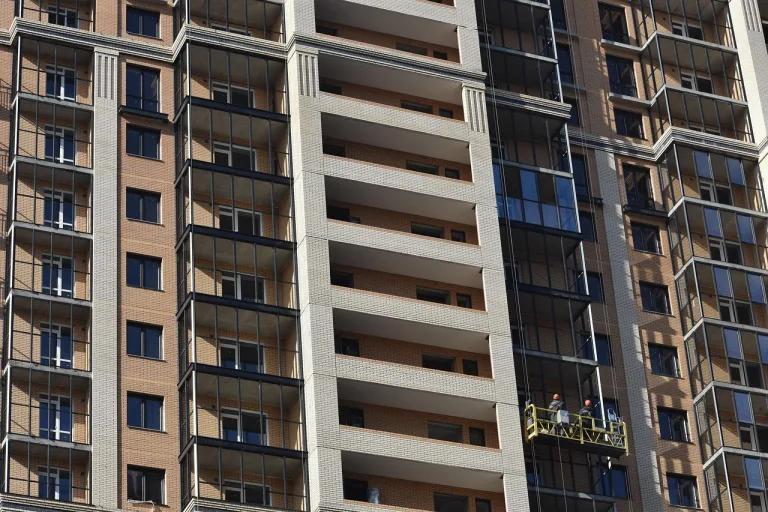
— New builds: modern layouts, warranties, developer financing options, often with amenities. Risks include construction delays and developer quality variance.
— Secondary market: immediate possession, often character-filled properties in central areas. Requires careful legal and technical due diligence (encumbrances, renovation needs).
— Consider resale liquidity and carrying costs (condo fees, maintenance) when choosing.
Buying process — step-by-step (concise)
1. Define budget, preferred districts, and target yield or lifestyle needs.
2. View properties and shortlist 3–5 options.
3. Perform due diligence:
— Title search / Rosreestr check for encumbrances and ownership chain.
— Check developer reputation (for new builds) and building permits.
— Technical inspection for structural or utility issues.
4. Negotiate price and payment terms. Consider an escrow account or bank-backed guarantee.
5. Sign a preliminary or purchase agreement; arrange deposit with clear refund conditions.
6. Complete sale contract and register the transaction with Rosreestr (state registration) — this is the legal transfer of ownership.
7. Transfer funds via secure channels; receive keys and handover act.
8. Register utilities and update tax records.
Always get contracts reviewed by a Russian-qualified real estate lawyer and use written records for all payments.
Foreign buyers — key considerations
— Foreign nationals can buy most types of urban residential property in Russia, but restrictions apply for land in border zones and certain agricultural parcels.
— Mortgages are available to foreigners from some Russian banks, typically with stricter down-payments and documentation.
— Residency is not required for property ownership, but tax and estate planning should be considered carefully.
Financing and mortgage tips
— Compare bank offers, required down payment, interest rates, and penalties.
— Fixed vs variable rate: weigh predictability versus potential rate reductions.
— Use pre-approval to sharpen offers; for investors, model cashflow under conservative assumptions (vacancy, maintenance).
— Consider currency risk if your income or financing is in a foreign currency.
Taxes and ongoing costs (practical notes)
— Expect property tax, occasional municipal charges, utility bills, and condominium maintenance fees.
— Income from rentals and capital gains may be taxable — tax rules differ for residents and non-residents. *Consult a tax advisor* for current rates and exemptions (e.g., ownership period exemptions).
— Factor transaction costs: notary fees, registration fees, realtor commissions (if any), and legal fees.
Rental market and yields
— Long-term rental demand is steady among working professionals, students, and families.
— Short-term and vacation rentals can outperform in central locations but require active management and higher turnover costs.
— Gross yields vary widely by location and property type; run conservative projections and account for vacancies, management costs, and seasonal fluctuations.
Renovation, staging and value-add strategies
— Modernize kitchens and bathrooms for the best resale/rental uplift.
— Create flexible layouts—open-plan living, dedicated home-office space attract current buyers/renters.
— Professional photos and staging significantly increase interest and speed of sale or rental.
— For investors, consider furnishing for higher rents but model the additional capital and depreciation.
Common pitfalls to avoid
— Skipping a full title and encumbrance check.
— Relying solely on verbal agreements — always insist on written and notarized documents where appropriate.
— Underestimating renovation and ongoing costs.
— Paying large deposits without escrow protections or bank guarantees.
— Ignoring neighborhood trends (transport, planned developments, or local regulations).
Practical one-page checklist before making an offer
— District, budget, and target