Real Estate in Saint Petersburg: Practical Guide for Buyers, Investors and Renters
Real Estate in Saint Petersburg: Practical Guide for Buyers, Investors and Renters
Saint Petersburg is Russia’s cultural capital and a major economic center. Its combination of historic architecture, rivers and canals, strong rental demand and ongoing new development makes the city attractive to homeowners and investors alike. This guide summarizes what to know about neighborhoods, buying vs. new-build, financing and taxes, rental prospects, and practical steps to a safe transaction.
Market snapshot (what to expect)
— High demand for well-located apartments in the historic center and on islands (Petrogradsky, Vasileostrovsky, Admiralteysky).
— Steady interest in modern projects in Primorsky, Moskovsky and Frunzensky districts thanks to metro expansion and new business hubs.
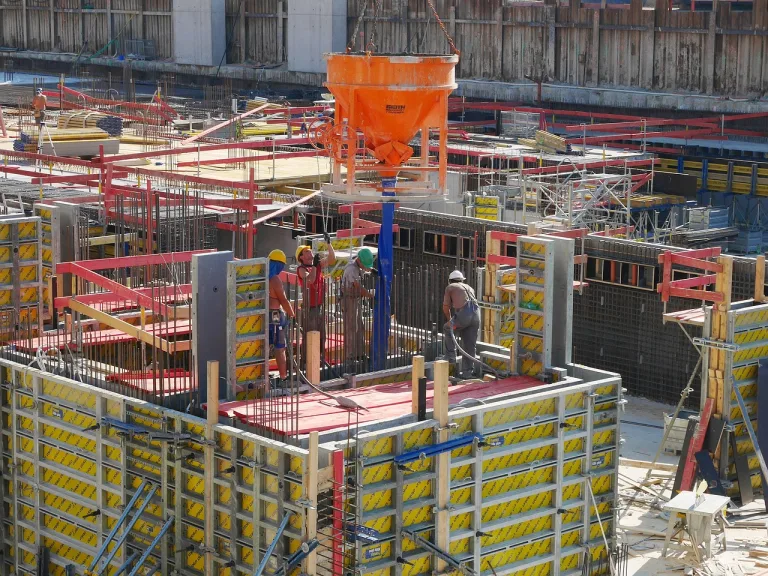
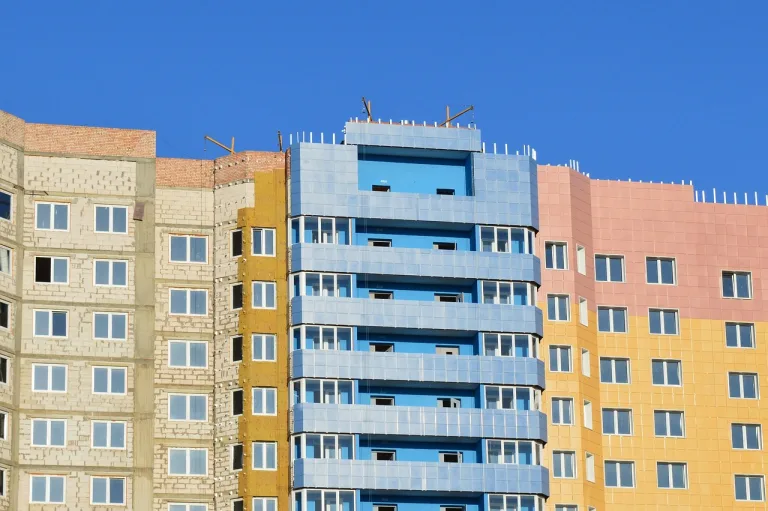
— New-build market (novostroyki) is active — developers offer staged delivery and escrow protections.
— Price dynamics vary widely by district, building condition and transport accessibility. Verify up‑to‑date listings and local reports before decisions.
Neighborhoods to watch
— Central / Historic: Admiralteysky, Central District, Petrogradsky, Vasileostrovsky — best for prestige, tourism rentals, walkability and views; generally higher prices and maintenance considerations (old buildings).
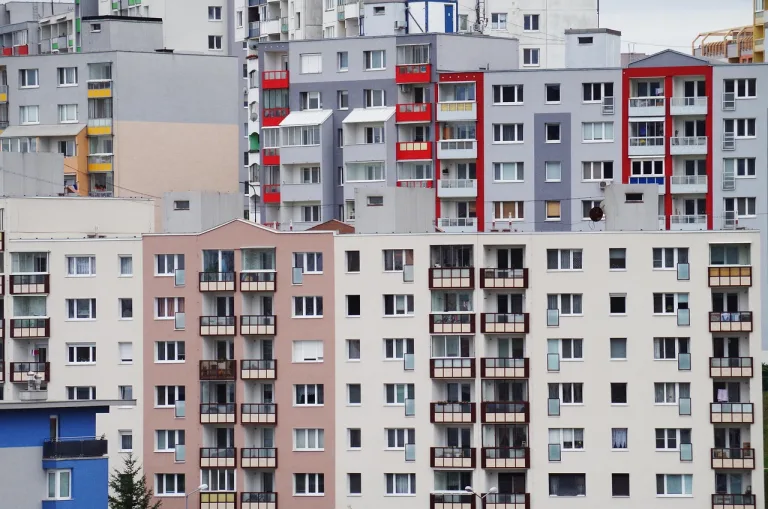
— Family-friendly / Newer housing: Primorsky, Moskovsky, Frunzensky — modern flats, shopping and schools, good for mid-term residents and long-term capital growth.
— Developing / Value: Kirovsky, Kolpino, some parts of Nevsky and Yuzhny outskirts — lower prices per square meter, potential for appreciation near new metro lines and infrastructure.
— Resort / green areas: Kurortny District (coastal) — good for secondary homes and seasonal rentals.
New-build (novostroyka) vs secondary market (vtorichka)
— New-build advantages:
— Modern layouts, energy standards, warranties.
— Buyer protections: escrow accounts for pre-sales and developer guarantees (check developer reputation).
— New-build drawbacks:
— Delivery risks (delays, quality issues) — rely on escrow and developer track record.
— Secondary market advantages:
— Immediate possession, often unique historic apartments with character.
— Possibility to negotiate price, especially for motivated sellers.
— Secondary drawbacks:
— Older buildings may require substantial renovation and capital expenditure; check utilities, structural condition and historical protections.
Buying process — practical steps
1. Define budget, target district and purpose (owner-occupier, short-term rental, long-term lease, flip).
2. Search listings with local agencies and portals; visit multiple properties.
3. Due diligence:
— Check ownership and encumbrances via Rosreestr (state property registry).
— Obtain cadastral value and floor plans.
— Verify any mortgages, arrests or legal disputes.
— For historic buildings, confirm preservation rules that may restrict renovations.
4. Negotiate and sign a purchase agreement:
— For new-builds: review contract terms, payment schedule, penalty clauses and transfer protocol.
— For secondary sales: notarized sale and purchase agreement (Dоговор купли-продажи) and transfer of keys/act of acceptance.
5. Register transaction with Rosreestr (state registration is essential to confirm legal title).
6. Transfer funds securely — use escrow accounts, not cash, whenever possible.
7. Arrange utilities, municipal registration and, if renting out, proper contracts and permits.
For foreign buyers
— Foreign nationals can buy residential property in most urban areas. Restrictions exist in certain border regions—check local legislation.
— Use a Russian lawyer or notary experienced in real estate. Expect the need for notarized documents and translations.
— Residency is not required to hold property, but tax residency affects income tax rates on rental income and sale proceeds.
— Consider bank and mortgage rules for non-residents; some banks lend to foreigners with extra documentation.
Financing and mortgages
— Russian banks provide mortgages for new and secondary properties; terms, down payments and rates vary.
— Compare offers from multiple lenders; ask about fixed vs floating rates, early repayment penalties, and required insurance.
— Developers sometimes offer partner financing packages — read contract details carefully.
Taxes and ongoing costs (key points)
— Property tax: set regionally and based on cadastral value; rates and thresholds vary across Russia and can change annually.
— Income tax on rental:
— Russian tax residency typically means a lower tax rate on rental income than non-residents. Confirm current rates with a tax advisor.
— Capital gains and sale taxes depend on length of ownership and other exemptions — check current rules and consult a tax professional before selling.
— Maintenance fees, utilities and building repairs (especially for historic buildings) are recurring costs—budget accordingly.
Rental market and returns
— Strong demand from students, young professionals and tourists in central districts; stable long-term rental demand in residential neighborhoods near metro lines and business centers.
— Short-term (vacation) rentals can command higher nightly rates in the city center but require active management and compliance with local short‑term rental regulations.
— Assess realistic net yields after vacancy, maintenance, taxes and management fees. Local agents or property managers can provide market-specific data.