Real Estate in Saint Petersburg: A Practical Guide for Buyers and Investors
Overview
Saint Petersburg combines imperial architecture, waterways and strong cultural appeal, making it one of Russia’s most desirable property markets. Whether you’re looking for a historic apartment in the city centre, a modern new build, or a suburban family home, the market offers diverse options — each with its own price points, risks and opportunities.
Key neighbourhoods and their character
— Historic Centre (Admiralteysky, Central)
— *What you get:* Classic pre-revolutionary apartments, high ceilings, ornate details, proximity to museums, theatres and major sights.
— *Considerations:* Higher cost, tourist traffic, stricter renovation/heritage rules.
— Vasileostrovsky / Petrogradsky Islands
— *What you get:* Trendy neighbourhoods with good restaurants, creative scene, mixed old-and-new stock, easy access to downtown.
— *Considerations:* Some older buildings require renovation; good resale potential.
— Kalininsky / Moskovsky / Frunzensky
— *What you get:* More modern Soviet and post-Soviet apartment blocks, competitive prices, convenient metro and road links.
— *Considerations:* Varying construction quality; many commuter families.
— Pushkin / Pavlovsk / Peterhof (suburbs)
— *What you get:* Historic towns and green areas, villas and low-rise homes, good for families.
— *Considerations:* Longer commute; seasonal tourism in some towns.
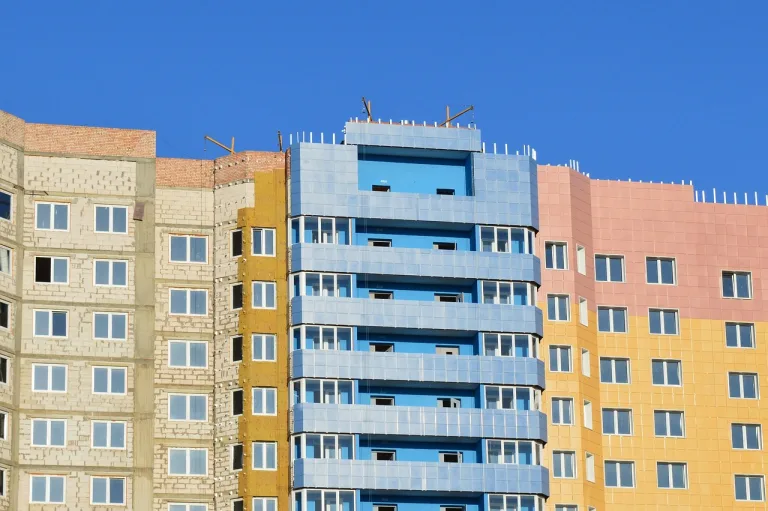
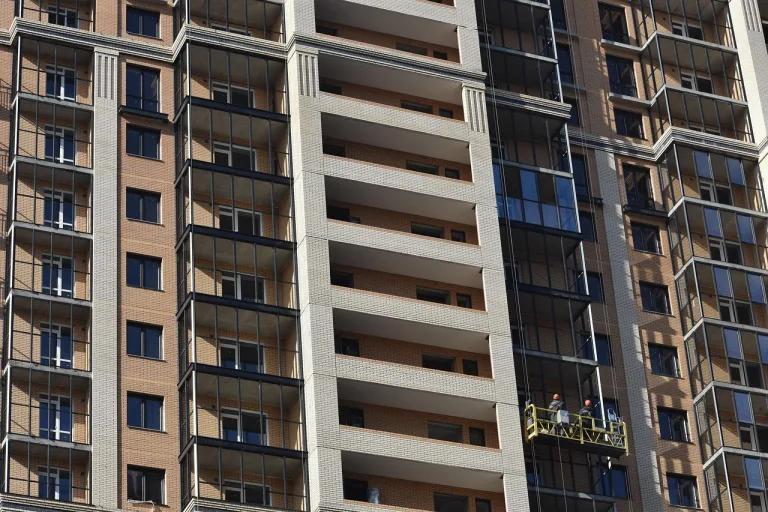
— New-build districts (e.g., along southern and eastern approaches)
— *What you get:* Modern amenities, playgrounds, parking, often lower maintenance initially.
— *Considerations:* Construction quality varies by developer; consider delivery timelines and developer reputation.
Market drivers
— Cultural and educational institutions attract long-term residents and renters.
— Tourism and short-term rental demand can support buy-to-let strategies in central areas.
— Infrastructure projects and new metro lines can positively affect nearby values.
— Renovation and heritage restrictions influence restoration costs and permitted changes in the centre.
Buying vs Renting — pros and cons
— Buying:
— Pros: Long-term asset, potential rental income, capital appreciation in prime locations.
— Cons: Transaction costs, repair and maintenance, exposure to market cycles and regulatory changes.
— Renting:
— Pros: Flexibility, lower initial outlay, easier to move for work or study.
— Cons: No capital accumulation, possible rent increases, less control over the property.
For foreign buyers — essentials
— Foreign nationals can generally buy apartments and buildings in Russia; purchase of certain land types (agricultural, border-zone plots) is restricted or requires special permission.
— Practical steps:
— Verify any restrictions for the specific plot or building.
— Use a local lawyer to check ownership, encumbrances and title history.
— Expect documentation to be in Russian — arrange certified translation if needed.
— Residency is not required to hold property, but tax reporting and banking may be more complex for non-residents.
Financing, taxes and costs
— Mortgages are available from Russian banks; non-residents may face higher down payments and stricter conditions.
— Typical additional costs:
— Notary and registration fees for the transaction.
— Agent commissions (if used).
— Property transfer taxes / notarial costs as applicable.
— Annual property tax (based on cadastral value).
— If renting out, register income and understand local tax obligations; consult an accountant familiar with Russian tax law.
Practical tips for viewings and due diligence
— Inspect the building structure, roof, windows, heating and plumbing — older city centre buildings often hide expensive repair needs.
— Ask for:
— Proof of ownership and extract from the Unified State Register of Real Estate (EGRN).
— Information on debts, liens, and utility arrears.
— Building maintenance records and planned capital repairs.
— Verify cadastral and floor plans match the physical layout; confirm if renovations were registered.
— Check flood history for low-lying properties near the Neva and Gulf of Finland; ask neighbours about winter/spring conditions.
Common pitfalls to avoid
— Buying purely by photos or online listings without an in-person inspection.
— Neglecting to verify the seller’s right to sell (power of attorney issues, heirs, co-owners).
— Underestimating renovation costs or heritage restrictions in protected buildings.
— Working with unlicensed agents or failing to use a lawyer for contracts and closings.
Renovation and resale considerations
— In the historic centre, restoration often requires permits and adherence to conservation rules; factor these into your budget and timeline.
— Modernizing kitchens and bathrooms usually delivers the best resale/rental return.
— Energy efficiency upgrades (windows, insulation, heating controls) can lower running costs and increase marketability.
Final recommendations / next steps
— Define your goal: primary residence, long-term investment, short-term rental or renovation project.
— Engage a local real estate agent with good references and a Russian-speaking lawyer to perform title and encumbrance checks.
— Visit multiple properties in person and compare total costs (purchase price + repairs + taxes + ongoing fees).
— If financing, secure pre-approval from a bank to strengthen your offer.
If you’d like, I can prepare a shortlist of neighbourhoods that match your budget and goals or draft a checklist for property viewings specific to Saint Petersburg. Which would you prefer?