Buying and Investing in Saint Petersburg Real Estate: A Practical Guide
Buying and Investing in Saint Petersburg Real Estate: A Practical Guide
Saint Petersburg blends imperial architecture, a thriving cultural scene, and steady urban demand—making it one of Russia’s most attractive real estate markets. Whether you’re buying your first apartment, investing for rental income, or searching for a luxury pied-à-terre, this guide outlines what to know about neighborhoods, financing, legal checks, and practical tips to succeed in the Saint Petersburg market.
Market snapshot
— Strong demand in central and historical districts; premiums for renovated historic apartments and riverfront properties.
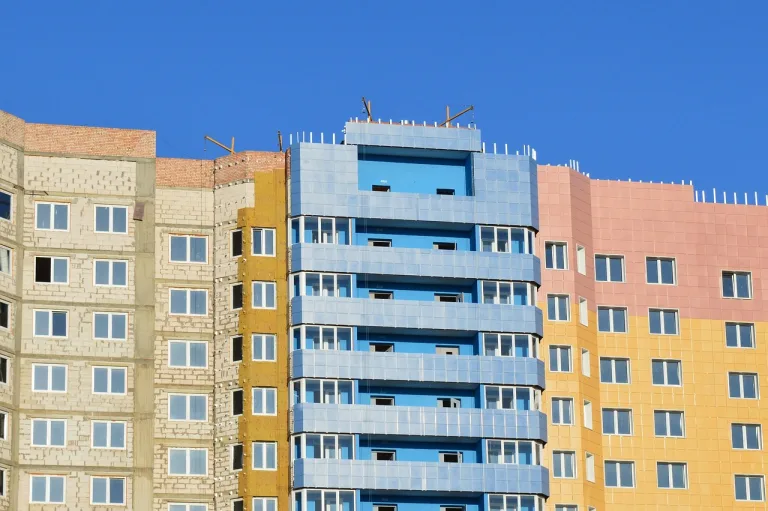
— New-build development concentrated in outer districts and along major transit corridors.
— Rental market supports both long-term tenants (students, professionals) and seasonal short-term tourists; demand is cyclical.
— Prices and mortgage rates fluctuate with macroeconomic conditions—always verify current local data before committing.
Top neighborhoods at a glance
— Tsentralny (Central District) — Heart of the city: Nevsky Prospekt, cultural landmarks, high rental demand, premium prices, many historic buildings.
— Admiralteysky — Close to the Hermitage and rivers: excellent for luxury and short-term rentals, high tourist appeal.
— Petrogradsky — Quiet, upscale, good access to city center; popular with families and professionals.
— Vasileostrovsky — Island life, creative scene, good for young professionals; strong transport links to center.
— Krestovsky / Primorsky — High-end residential areas, parks and stadiums, newer complexes and gated living.
— Moskovsky / Frunzensky — More modern apartment blocks, good value, direct transport routes south and southwest.
— Pushkin / Pavlovsk (suburbs) — Historic towns with villas, green space, slower market but attractive for second homes.
New-build vs. secondary market
— New-builds:
— Pros: modern layouts, warranties, developer financing and staged deliveries (escrow accounts common).
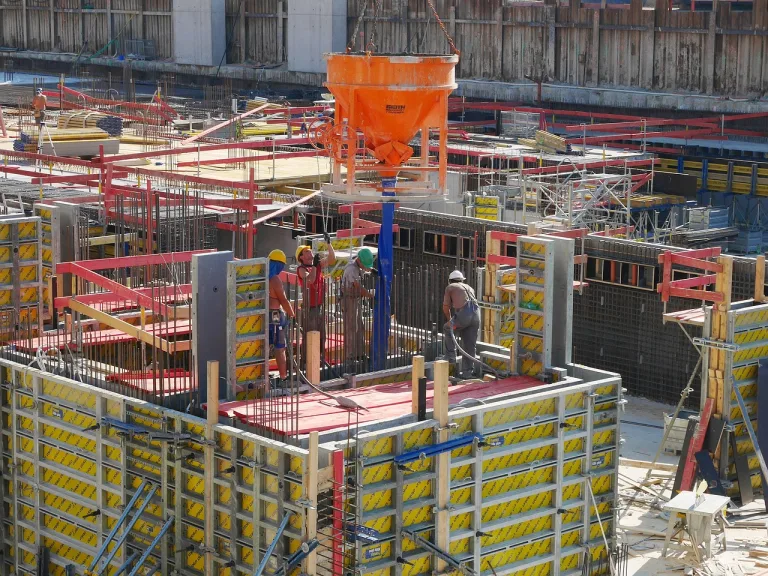
— Cons: waiting period if buying off-plan, developer risk (mitigated now by escrow/account rules).
— Secondary market:
— Pros: immediate possession, established neighborhoods, potential for negotiation.
— Cons: variable building condition, potential for hidden repair costs or legal encumbrances.
Legal and administrative checklist
— Verify ownership and encumbrances through Rosreestr (state real estate registry).
— Confirm seller identity and power of attorney (if any); use a trusted notary for closing.
— If foreign buyer: review any restrictions (land near borders, certain categories of land) and documentation requirements; many foreigners can purchase residential property.
— Check the building’s technical passport, municipal records, and whether there are disputes or unpaid utilities.
— For new developments: review contract type (shared construction agreement / ДДУ vs purchase using escrow), developer reputation, and warranty terms.
Financing and mortgages
— Russian banks offer mortgages in rubles; some lenders work with foreigners but often require larger down payments and stricter documentation.
— Interest rates and terms vary—compare banks and ask about insurance, prepayment penalties, and associated fees.
— Consider total acquisition costs: down payment, notary fees, registration, real estate agent commission, and property tax.
Rental and investment outlook
— Long-term rentals: stable demand near universities, business hubs, and transport hubs.
— Short-term rentals: high seasonality linked to tourism and events; central locations and well-furnished apartments perform best.
— Yield depends on location, property condition, and management—use professional property managers for short-term rental optimization.
— Value drivers: proximity to metro/stations, unique historic features, recent renovations, and views (river/canal).
Practical tips for viewing and negotiation
— Schedule viewings in different seasons: winter to check heating and insulation; summer to evaluate noise and light.
— Inspect heating systems, windows, plumbing, electrical panels, elevator condition, and insulation against street noise.
— Ask for utility bills for the last year to estimate monthly running costs.
— Be prepared to negotiate on price, closing timeline, and included fixtures/furniture.
— Use a bilingual real estate agent or translator if you aren’t fluent in Russian.
Selling and staging tips (if you’re the seller)
— Stage and photograph interiors with natural light; highlight period features or modern upgrades.
— Provide clear documentation and recent utility bills to speed up buyer due diligence.
— Price competitively based on recent comparable sales; consider pre-inspection and minor cosmetic repairs before listing.
Useful resources
— Major property portals: CIAN, Domofond, Avito (for market listings).
— Rosreestr (state registry) for official ownership and encumbrance checks.
— Local real estate agencies and certified notaries for transactional support.
— Consult an English-speaking lawyer experienced in Russian property law for cross-border or complex transactions.
Final recommendations
— Do thorough due diligence: legal checks, technical inspection, and market comparables.
— Choose location based on your objective: lifestyle, capital appreciation, or rental yield.
— Work with trusted local professionals—real estate agent, notary, and lawyer—to minimize risks and ensure a smooth transaction.
If you’d like, I can prepare a tailored neighborhood comparison, a sample due-diligence checklist specific to a property you’re considering, or draft an offer letter in Russian—tell me which you prefer.