Saint Petersburg Real Estate Guide: Buying, Selling, Renting, and Investing in Russia’s Northern Capital
Overview
Saint Petersburg is Russia’s cultural and economic hub on the Gulf of Finland, combining a rich historic centre with expanding residential and suburban districts. Whether you’re a first‑time buyer, an investor, or a renter, the city offers a range of opportunities—from prestige apartments on the Neva embankments to family homes in green suburbs like Pushkin and Pavlovsk.
Market snapshot (what to expect)
— Strong appeal in the historic centre and riverside districts for premium buyers and short‑term rentals.
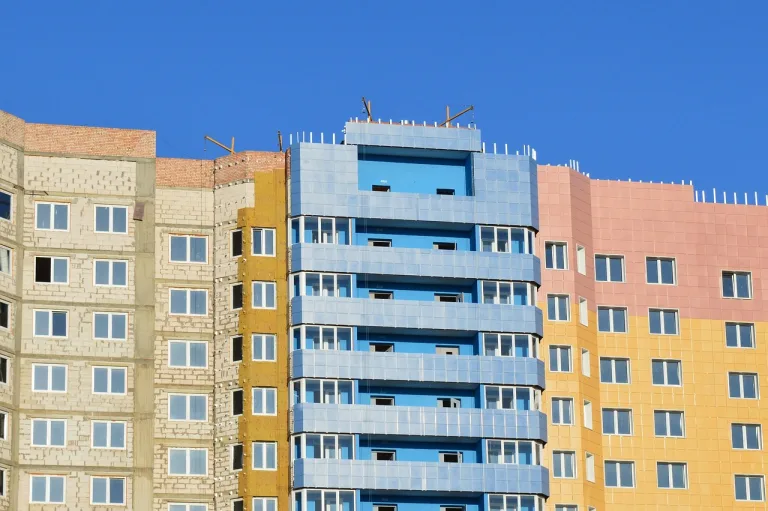
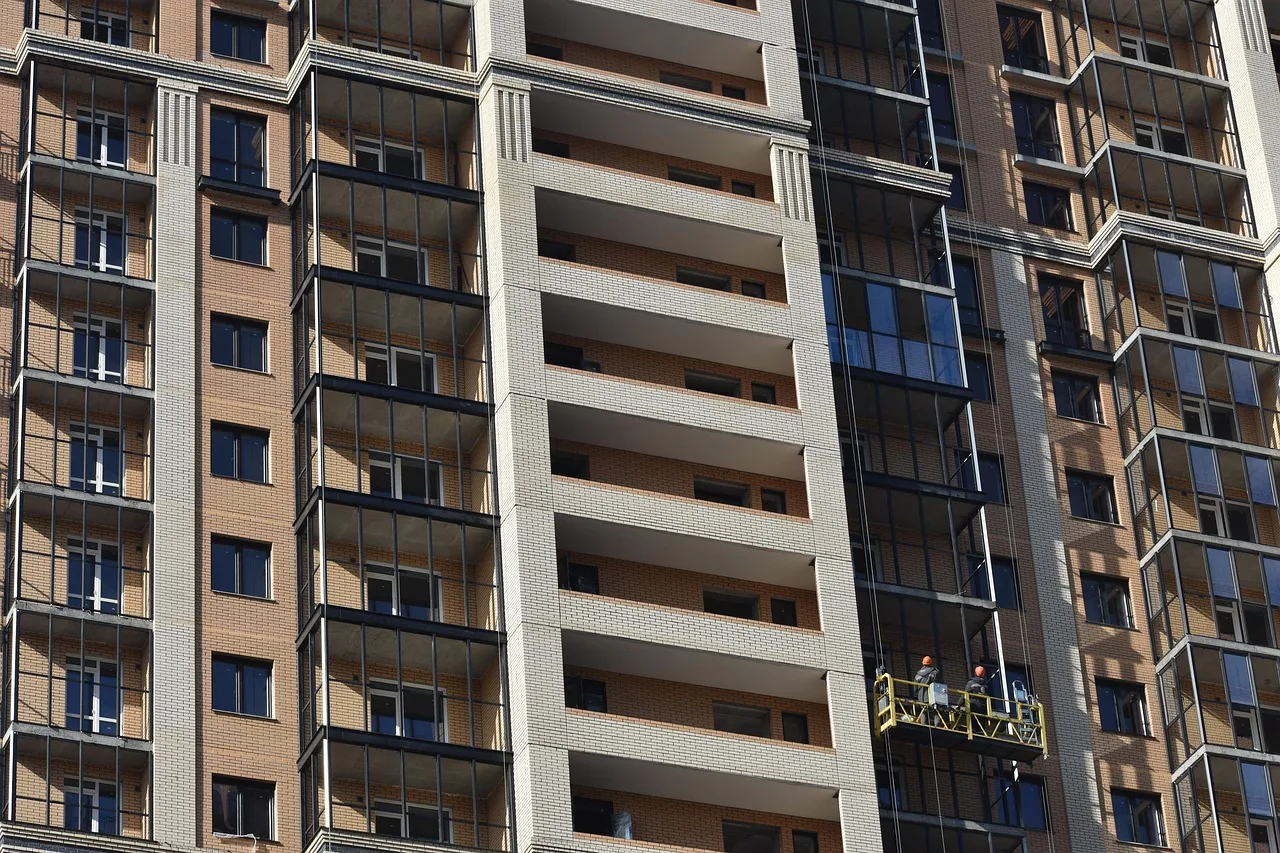
— Growing demand in modern residential complexes in northern and western districts for families and professionals.
— Renovation projects in older buildings can unlock value, but may require permits and careful budgeting.
— Rental demand is supported by students, professionals, tourists and corporate tenants; seasonality affects short‑term lets.
Key neighbourhoods to consider
— Admiralteysky / Central (Nevsky Prospekt, Palace Embankment) — *prestige, walkable, tourist appeal.*
— Petrogradsky and Vasilyevsky Islands — *residential with good transport and restaurants.*
— Moskovsky and Frunzensky districts — *family flats, convenient transport to the airport and highway.*
— Primorsky and Kalininsky — *modern developments, good for young families and commuters.*
— Pushkin and Pavlovsk (suburbs) — *historic towns, private houses, green environment.*
— Petrodvorets (Peterhof) — *waterfront properties and resort atmosphere.*
Buying in Saint Petersburg — practical tips
— Work with a trusted local real estate agent and a Russian‑speaking lawyer or notary.
— Verify ownership and encumbrances through state registration (Rosreestr) and request original title documents.
— Understand building ownership: are you buying a condominium, apartment in a co‑op, or private house? Each has different rules and liabilities.
— Check utilities, maintenance charges and capital repair funds for apartment buildings.
— For historic buildings, confirm renovation restrictions and whether additional permits or expert approvals are needed.
— Negotiate price taking into account comparables, renovation costs and any legal risks.
Financing and costs
— Mortgages are available from Russian banks; conditions and down payments for foreigners can be stricter.
— Expect transaction costs: notary fees, registration fees, agency commissions (if any), and legal services.
— Budget for property tax, communal payments and possible renovation or winterization works.
Legal considerations for non‑residents and foreigners
— Foreign individuals can generally buy residential and commercial property in most urban areas; there are specific restrictions in border zones and on agricultural land.
— Always confirm legal status of the property, absence of disputes or preemption rights, and whether the seller has full authority to sell.
— Use a Russian‑licensed lawyer or a notary to prepare and verify sale contracts, powers of attorney, and registration documents.
— Tax rules and reporting obligations vary; consult a tax advisor about income tax on rental income and capital gains on sale.
Renting and property management
— Long‑term rentals: stable demand from locals, students and expats; yields depend on neighbourhood and property condition.
— Short‑term rentals: high potential in tourist areas but subject to regulations, seasonality and platform rules.
— Consider professional property management for remote landlords—services include tenant screening, maintenance, billing and legal compliance.
— Check local landlord‑tenant laws for lease terms, security deposit rules and eviction procedures.
Renovation, permits and historic buildings
— Many attractive properties are in listed or historic buildings; alterations often require municipal approval and can be costly.
— When planning renovations, factor in structural assessments, central heating schedules, and possible restrictions from heritage protection authorities.
— Work with experienced local contractors who understand building codes and the permitting process.
Selling: staging and pricing strategy
— Present well: professional photos, decluttering, and basic repairs significantly improve marketability.
— Price realistically using recent comparable sales and factor in time on market—pricing too high can prolong sale and erode perceived value.
— Offer transparent documentation to speed up buyer due diligence: title documents, utility statements, maintenance history.
Investment considerations
— Rental yields vary by district and property type; prime central locations often yield lower percentage returns but higher capital stability.
— Value can be unlocked via tasteful renovations, improved energy efficiency, or converting layouts where allowed.
— Consider currency risk, taxation and exit strategy—liquidity can vary by market conditions.
Quick checklist before committing
— Confirm title and Rosreestr registration.
— Check for liens, court disputes or unpaid utility/communal debts.
— Verify building condition, boiler/heating system and insulation.
— Obtain a clear written sale contract reviewed by a lawyer.
— Understand tax implications for your residency status and planned holding period.
Final advice
Saint Petersburg blends historic charm with modern living and presents diverse opportunities for buyers, renters and investors. For a secure transaction and the best outcome, work with reputable local professionals—agent, lawyer, tax advisor and contractor—and don’t skip proper due diligence.
If you want, I can:
— Suggest neighbourhoods that match your budget and lifestyle, or
— Draft a concise checklist tailored to a buyer, seller or investor role. Which would you prefer?