Real Estate in Saint Petersburg: A Practical Guide for Buyers and Investors
Overview: Why Saint Petersburg?
Saint Petersburg combines a rich cultural heritage, a large and diverse economy, and steady demand for housing and rentals. As Russia’s cultural capital with a UNESCO-listed historic center, major universities, a strong services sector, and growing tech and creative industries, the city offers a range of real estate opportunities—from historic apartments in the center to modern developments along the Neva and on the outskirts.
Market snapshot (what to expect)
— Strong demand in the historic center and near major transport hubs (metro stations, ring roads).
— High tourist and short-term rental appeal in central districts and near major attractions.
— New-build supply expanding in peripheral districts (Primorsky, Moskovsky) offering modern amenities and larger floor plans.
— Regulatory environment: foreigners can buy residential property (except agricultural land), but legal checks and registration with Rosreestr are essential.
— Financing: mortgages are available through Russian banks; terms and rates vary—work with a local mortgage broker or bank.
Best districts by objective
— Investors (short-term rentals, tourism): Admiralteysky, Central (Nevsky Prospekt), Vasileostrovsky, Petrogradsky.
— Long-term rentals / professionals and students: Moskovsky, Kalininsky, Frunzensky (good transport links and lower rents).
— Families seeking space and schools: Pushkin, Peterhof, Kolpino (suburban feel with green space).
— New development / modern amenities: Primorsky, Kupchino, Moskovsky district outskirts.
— Luxury and prestige: Krestovsky Island, Petrogradsky District, central historic blocks with renovated Stalinka-style apartments.
Types of properties to consider
— Historic flats (Stalinka, pre-revolutionary buildings): high character, high maintenance, strict restoration rules if listed.
— Soviet-era apartment blocks (Khrushchyovka, Brezhnevka): affordable, compact, often need renovation.
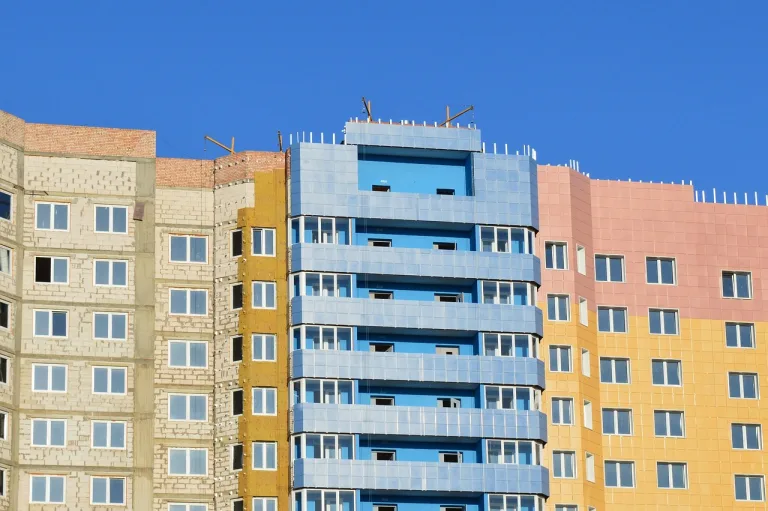
— New-build apartments: modern layouts, security, parking; sometimes farther from the historic center.
— Townhouses and cottages: rising interest in suburbs for families seeking space and green areas.
Legal and due diligence essentials
— Title and registration: verify ownership and encumbrances with Rosreestr. Ensure seller’s right to dispose.
— Notary: major transactions typically require notarized contracts. Use a reputable local notary.
— Check for debts and utilities: confirm there are no outstanding utility bills or municipal debts attached to the property.
— Historic building restrictions: if the building is listed, façade and interior changes may require approvals from cultural heritage authorities.
— Foreign buyers: permitted for residential property (exceptions apply); if unsure, consult a lawyer experienced in Russian property law.
— Use written escrow or agency agreement: protect funds and define terms clearly.
Financing and taxes
— Mortgages: available from major Russian banks; having Russian residency or steady local income simplifies approval. Consider fixed vs variable rates.
— Closing costs: notary fees, registration fees with Rosreestr, possible agent commissions (typically 2–5%), and legal fees.
— Property tax: municipal property tax applies; rates depend on cadastral value. Factor into running costs.
— Utilities and HOA: expect monthly utility bills (kommunalnye uslugi) and maintenance fees for apartment buildings or condominiums.
Renovation, ROI and rental strategy
— Renovation ROI: kitchens, bathrooms, and clear, modern finishes yield the best returns for both resale and rentals. In historic centre, maintain authentic elements when possible—buyers pay for character.
— Short-term rental strategy: focus on location, interior design, and strong online listing photos. Central, well-connected flats command premium nightly rates but may face stricter municipal regulations—check local rules on short-stay rentals.
— Long-term rental strategy: target professionals and students; proximity to metro and universities increases occupancy. Corporate leases can provide stable income.
Practical checklist for buyers
1. Define budget, preferred districts, and intended use (resale, rent, primary residence).
2. Pre-qualify for a mortgage or confirm funds.
3. View multiple properties at different price points and building types.
4. Order an extract from Rosreestr and check for encumbrances.
5. Hire a local lawyer or notary to draft/review the contract.
6. Check building technical condition and recent repairs (roof, utilities, heating).
7. Verify utilities, HOA rules, and monthly fees.
8. Complete transaction at a notary and register with Rosreestr. Keep copies of all documents.
Risks and local considerations
— Historic preservation restrictions can limit renovations and carry extra costs.
— Seasonal demand fluctuations for short-term rentals—peak in summer and around major holidays.
— Currency and macroeconomic factors can affect mortgage affordability and investor returns—monitor macro trends.
— Flooding: rare but possible during spring tides in low-lying historic areas—check building elevation and basement levels.
Selling tips (if you plan to sell later)
— Stage and photograph apartments to highlight light, period features, and proximity to attractions/transport.
— Consider energy-efficiency upgrades and modern appliances—buyers increasingly value comfort and low utility costs.
— Price competitively with recent comparable sales in the same microdistrict and building type.
Final advice
Work with reputable local professionals—real estate agents, notaries, and lawyers—who understand district specifics, Rosreestr procedures, and heritage restrictions. Whether you seek a character-filled apartment in the heart of the city or a modern family home on the outskirts, careful due diligence and a clear rental/exit strategy will maximize returns and reduce risk.
If you’d like, I can:
— Suggest neighborhoods tailored to your budget and goals, or
— Provide a step-by-step checklist tailored to non-resident buyers.