Real Estate in Saint Petersburg: Practical Guide for Buyers, Investors and Renters
Overview
Saint Petersburg is one of Russia’s most dynamic real estate markets — a blend of historic center apartments, Soviet-era housing, and modern suburban developments. Whether you’re buying to live, investing for rental income or capital growth, or renting, the city offers diverse opportunities shaped by location, transit links and the growing service sector.
Market highlights
— Historic centre (Admiralteysky, Petrogradsky, Vasileostrovsky): high demand for short-term rentals and premium resale values; strong tourist appeal.
— Residential suburbs (Primorsky, Moskovsky, Frunzensky): newer developments, larger apartments and family-oriented amenities.
— Emerging corridors near new transit and business hubs: price growth potential tied to infrastructure improvements.
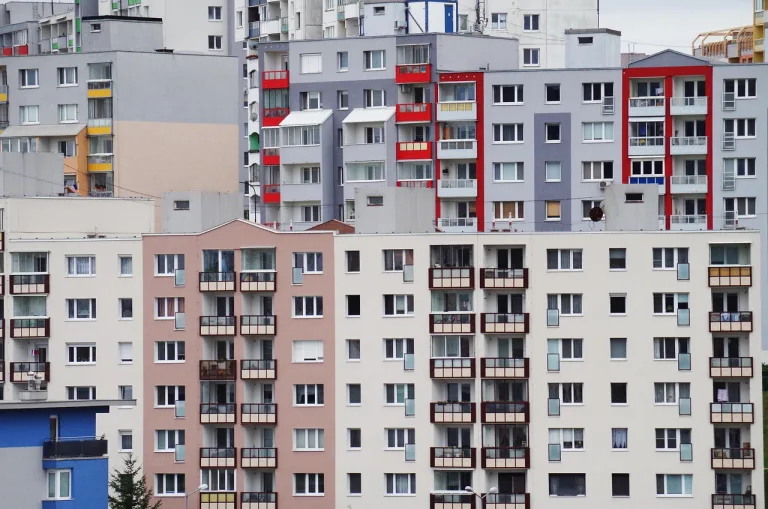
— Supply mix: renovated pre-war flats, Khrushchyovka/Panel housing, contemporary condominiums and gated communities.
Who should consider Saint Petersburg property
— Local buyers seeking city living or family homes.
— Investors targeting tourist short-lets in the historic center or steady long-term rental income in residential districts.
— Expats and students looking for centrally-located rentals near universities and international offices.
Buying process — practical steps
1. Define goals: primary residence, long-term rental, short-term rental, or capital gain.
2. Research neighbourhoods: visit at different times, check transport, schools, parks and services.
3. Check listings and comparable prices: online portals, agencies, auctions.
4. Perform legal due diligence:
— Verify ownership in the Unified State Register of Real Estate (ЕГРН).
— Check for encumbrances, mortgages, disputes, and municipal restrictions.
— Confirm cadastral number and boundary/area details.
5. Negotiate and sign a preliminary agreement or reservation contract.
6. Use secure payment mechanisms: escrow accounts, bank transfers, or notary-handled settlements.
7. Register transfer of ownership with Rosreestr (registration completes the transaction).
8. Transfer utilities and update tax records.
*Tip:* Always involve a reputable local real estate agent, a notary and, for unfamiliar transactions, an independent lawyer who understands local practice.
Legal considerations & foreigners
— Residential property purchases by foreign individuals are generally permitted; there are restrictions for certain land categories (e.g., agricultural land, border zones).
— Documentation: passport, proof of funds, power of attorney (if acting remotely).
— Registration of ownership is done through Rosreestr; notarization of some documents may be required.
*Recommendation:* Consult an attorney for cross-border or complex deals and to confirm current restrictions or procedures.
Financing and mortgages
— Russian banks offer mortgage products; terms and eligibility vary for residents and non-residents.
— Pre-approval helps in competitive searches.
— Consider down payment requirements, currency risk (if income is in a different currency), and the total cost of the loan including fees and early repayment terms.
Rentals and yields
— Demand drivers: tourism (center), students and young professionals (citywide), families (suburbs).
— Short-term (vacation/airbnb-style) can command higher nightly rates in the historic core but involves more management and variable occupancy.
— Long-term rentals offer steadier income and lower turnover.
— Calculate net yield after taxes, management fees, utilities, maintenance and vacancy periods.
Taxes and administration
— Property tax, income tax on rental revenue, and municipal fees apply. Tax treatment can differ by residency status and by whether you run rentals under a private or business scheme.
— Keep accurate records; use a local accountant for declarations and optimization.
Renovation, staging and value-adding
— In historic flats, focus on modernizing kitchens and bathrooms while preserving period elements that add value.
— Open-plan layouts and high-quality finishes increase appeal and achievable rents/sale price.
— Professional photos and staging significantly boost marketing performance.
Risks and pitfalls
— Incomplete legal checks — undisclosed encumbrances or co-ownership issues.
— Overpaying based on transient market hype.
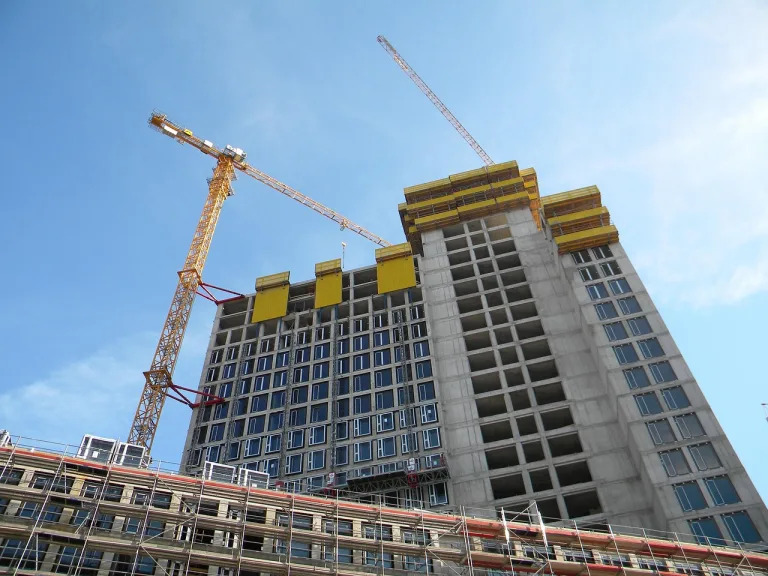
— Poor-quality construction in some new-builds; verify developer reputation and completion standards.
— Regulatory changes and tax rule shifts — stay updated with professionals.
Quick checklist before signing
— Verify ЕГРН extract and cadastral data.
— Confirm seller identity and absence of legal disputes.
— Review utility debt history.
— Inspect technical condition and required repairs.
— Agree on payment and registration procedure with legal safeguards.
— Ask for recent comparable sales in the building or street.
Where to get reliable local information
— Reputable local real estate agencies and brokers.
— Licensed notaries and lawyers for transaction support.
— Rosreestr for registration and property records.
— Local tax consultants for fiscal planning.
Final advice
— Choose location first — it governs demand and long-term value.
— Prioritize a clean legal title over a bargain price.
— Use professionals: good agents, legal counsel and accountants pay for themselves by avoiding costly mistakes.
— Monitor infrastructure projects and planning decisions — they materially affect future value.
If you tell me your objective (buy-to-live, long-term rental, short-term rental or investment) and budget range, I can recommend suitable neighbourhoods and a tailored next-step checklist.