Real Estate in Saint Petersburg: Market Overview, Neighborhoods, and Buying Tips
Real Estate in Saint Petersburg: Market Overview, Neighborhoods, and Buying Tips
Saint Petersburg combines a strong cultural identity, steady housing demand and active new construction — all of which shape opportunities for owner-occupiers and investors. Below is a practical, up‑to‑date guide to navigating the local market.
Market overview
— Demand drivers: universities, cultural institutions, business centers and tourism maintain stable long‑term demand for centrally located properties.
— Two parallel markets:
— *Historic/central apartments* (pre‑revolutionary and Stalin/early Soviet stock): high demand for renovation and short‑to‑mid term rental.
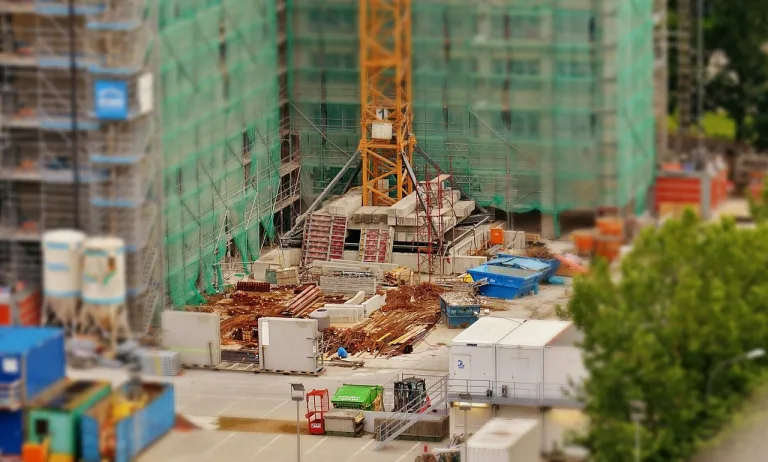
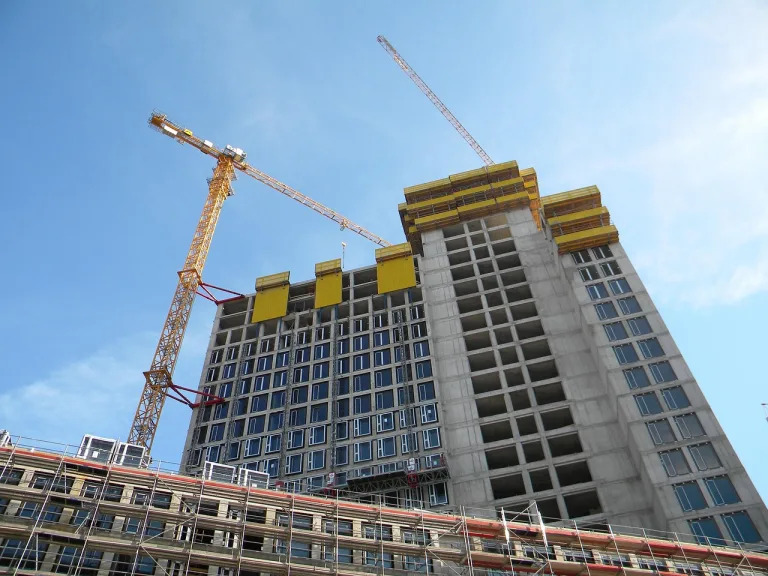
— *New developments* (microrayons and ЖК): appeal to families seeking modern amenities and mortgage financing.
— Pricing dynamics: premium in historic center and on the Neva embankments; more affordable per m² in peripheral municipalities and fast‑growing suburbs.
— Rental market: steady for long‑term rentals (professionals, students) with seasonal uplift for short‑term tourist lets.
Neighborhoods to watch
— Tsentralny (Historic center): highest prestige, strong rental potential, expensive and limited supply. Ideal for boutique investments.
— Admiralteysky & Petrogradsky: convenient, mature infrastructure, good balance of price and quality.
— Vasileostrovsky: island atmosphere, popular with tourists and young professionals.
— Moskovsky & Kirovsky districts: good for families; larger new complexes and access to highways.
— Primorsky & Frunzensky: newer residential projects, metro access improving, attractive for commuters.
— Suburbs with fast growth: Kudrovo, Murino, Shushary — cheaper per m² and sizeable new supply; watch transport links and school/place availability.
New build vs secondary market
— New build (новостройка)
— Pros: modern layouts, developer warranties, escrow accounts, easier mortgages.
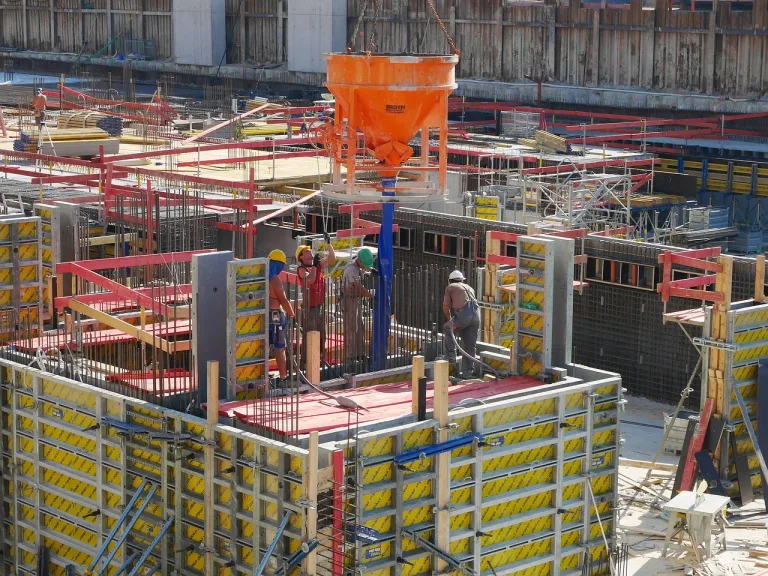
— Cons: construction risk (delays), completion standards vary, sometimes remote locations.
— Secondary market (вторичка)
— Pros: central locations, established buildings, potential for value-add via renovation.
— Cons: older engineering systems, potential need for major repairs, more complex legal history.
Legal & registration essentials
— Title registration: all transactions are registered with Rosreestr; always verify the cadastral and ownership records.
— Contract types: purchase–sale agreement (договор купли‑продажи) is standard; for new builds escrow contracts (эскроу) are widely used.
— Foreign buyers: non‑residents may buy most types of residential real estate; some restrictions apply near state borders and for certain land types.
— Due diligence checklist:
— Verify seller identity and full ownership chain.
— Check for encumbrances, mortgages, and disputed claims in Rosreestr.
— Confirm building permits and developer licenses for new projects.
— Review homeowners’ association (ТСЖ/ЖСК) rules, maintenance debts and facade/renovation plans.
— Use a trusted local lawyer / notary for document checks and closing.
Financing and taxes
— Mortgages: available from Russian banks; terms, down payments and rates vary — pre‑approval helps negotiating power.
— Taxes:
— Property tax is annual and calculated on cadastral value; rates vary by property type and municipality.
— Capital gains tax rules depend on holding period and personal tax residency — consult a tax adviser for specifics.
— Escrow: common for new builds; use of escrow accounts reduces construction risk.
Practical inspection tips (buying/residential)
— Heating and water: check pipe condition, heating system type and past renovation dates.
— Moisture and insulation: inspect for damp, especially in basements and older buildings.
— Building envelope: stairwells, roof condition, elevators and facade works affect long‑term costs.
— Floor plan usability: central walls vs load‑bearing changes, window orientation and noise levels.
— Local services: schools, clinics, grocery stores and transport (metro/bus/tram) within walking distance.
For investors
— Strategy options:
— Buy-to-rent long term: steady demand from professionals and students; choose near universities, hospitals or business areas.
— Short-term holiday rentals: higher revenue in tourist zones, but consider regulations, HOA rules and seasonal volatility.
— Buy & renovate: value-add projects in secondary market can boost yields if renovation costs and timelines are controlled.
— Yield expectations: conservative planning is essential — factor in vacancy, management fees, taxes and periodic maintenance.
— Asset management: use a local property manager if you don’t live nearby to handle leasing, check‑ins and maintenance.
Closing steps (practical checklist)
1. Pre‑approval for mortgage (if needed).
2. Legal due diligence — Rosreestr search, encumbrances, seller identity.
3. Agreement terms — price, deposit, payment schedule, penalties.
4. Signing and notarization (when required).
5. State registration at Rosreestr — verify entry in the registry.
6. Transfer of keys and update utility accounts.
Market outlook (brief)
— Long term fundamentals remain solid: cultural importance, educated workforce, and ongoing infrastructure upgrades (roads, metro expansions) support demand.
— Short‑term shifts depend on macroeconomic factors and financing conditions; prudent buyers and investors should monitor interest rates, municipal projects and developer reputations.
Quick tips
— Work with a licensed local agent and an independent lawyer.
— Visit properties at different times of day to check noise and light.
— Factor in renovation timelines and condominium rules before committing.
— Keep an emergency fund for unexpected building or legal costs.
If you’d like, I can prepare:
— a short neighborhood comparison tailored to your budget; or
— a step‑by‑step checklist for buying as a foreign investor — tell me your priorities (budget, rental vs residence, preferred districts).