Real Estate Guide: Buying, Renting and Investing in Saint Petersburg, Russia
Real Estate Guide: Buying, Renting and Investing in Saint Petersburg, Russia
Saint Petersburg combines rich cultural heritage, riverfront views and a diverse property market — from historic centre walk-ups to modern new-builds on the city outskirts. Whether you’re buying your first flat, investing for rental income, or relocating, this guide highlights what matters in Saint Petersburg’s real estate market and gives practical steps to reduce risk and make a smart decision.
Market snapshot (what to expect)
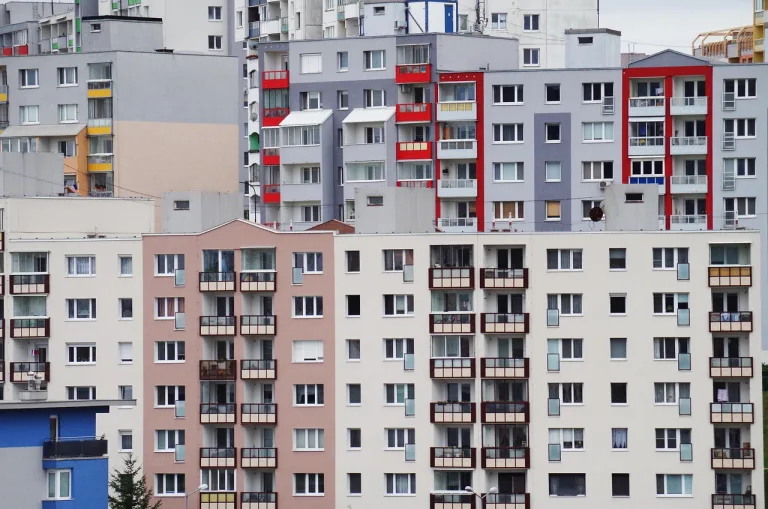
— Diverse inventory: historic apartments in the Central districts, Soviet-era Khrushchyovkas and Brezhnevkas, modern residential complexes and gated communities on the periphery.
— Demand drivers: students, professionals, tourism, prestige buyers seeking central addresses and foreigners attracted by culture and connectivity.
— Pricing factors: proximity to the Neva and historic centre, access to metro, condition of the building, floor and view, and developer reputation for new projects.
— Seasonality: activity typically rises in spring–summer; negotiating power can be better in quieter months.
Key neighbourhoods — quick orientation
— *Tsentralny (Central)*: Heart of the city — high prices, prestige addresses, older historic buildings, strong short-term rental demand.
— *Admiralteysky / Petrogradsky*: Close to landmarks and parks; mix of renovated historic flats and newer developments.
— *Vasileostrovsky*: Island life with scenic embankments and growing residential projects.
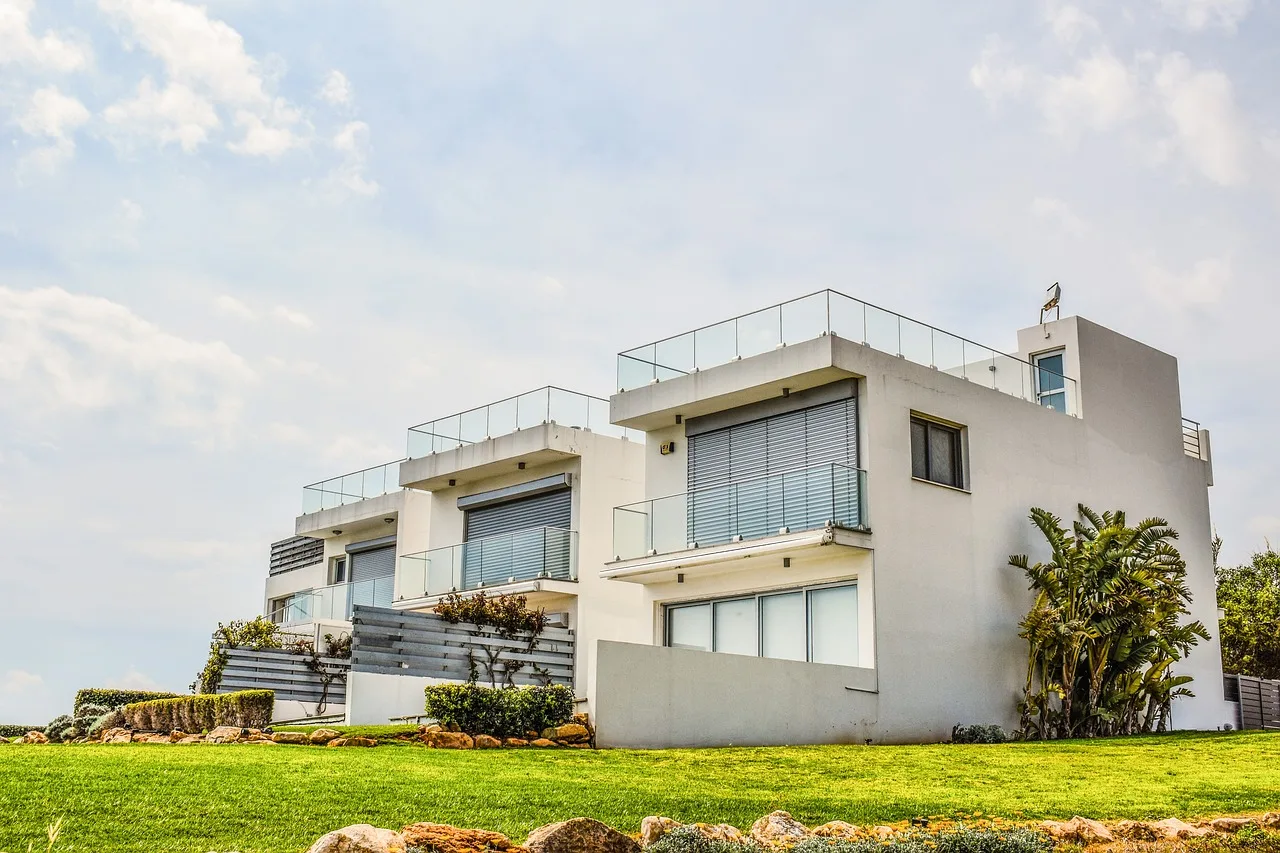
— *Primorsky*: Modern suburbs, good for families; new metro extensions improve connectivity.
— *Moskovsky / Frunzensky*: More affordable, good transport links to business areas and airports.
— *Pushkinsky / Peterhof (suburbs)*: For larger houses and greener living outside the city core.
Buying vs renting — which makes sense?
— Buy if you plan to stay long-term, want to build equity, or need a stable rental income.
— Rent if you need flexibility, are testing neighbourhoods, or prefer avoiding maintenance and renovation headaches.
— Short-term rentals can be lucrative in tourist-heavy areas but face regulatory and management burdens.
New-builds vs secondary market
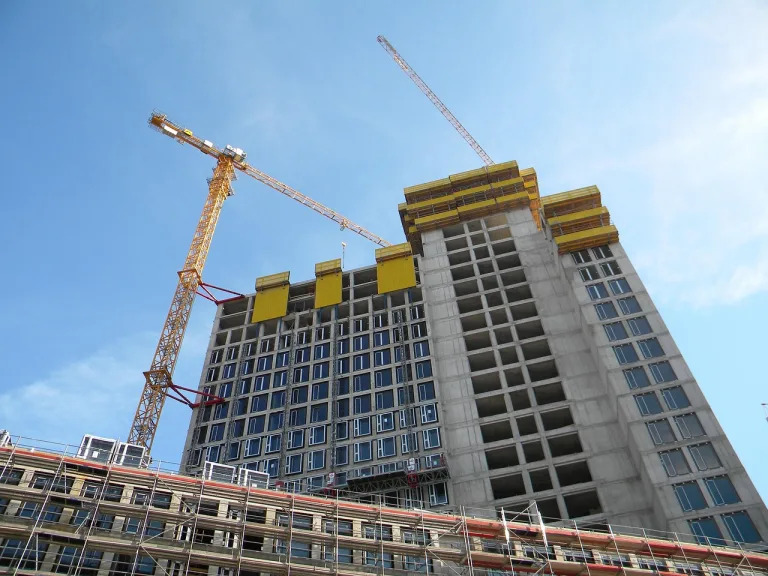
— New-builds (застройщик): Modern layouts, warranties, developer financing. Check developer track record, completion timelines and resale prospects.
— Secondary market: Potential for immediate occupancy and negotiation on price. Watch for hidden renovation costs and legal encumbrances.
— Renovation costs: Historic flats often need major work (plumbing, wiring, windows); budget realistically and check building preservation rules in central zones.
Practical legal and due-diligence steps
— Request an EGRN extract (Unified State Register of Real Estate) from Rosreestr — confirms ownership, encumbrances (mortgages, arrests), area, cadastral value.
— Verify the seller’s identity and authority to sell; be cautious with power-of-attorney sales.
— Ensure the property has a cadastral number and proper registration of all transfers.
— Check whether the building or façade is protected (heritage status) — this can restrict alterations.
— Use a qualified real estate lawyer or notary to draft/review the sales contract and handle registration. Notarisation is common and reduces risk.
— For foreigners: owning apartments in urban areas is generally permitted; restrictions may apply to certain land plots, border zones and agricultural land — get legal confirmation if you’re a non-resident.
Financing and taxes
— Mortgages: Major Russian banks (and some international lenders) offer mortgages in Russia; compare down payments, loan-to-value and required documents.
— Transaction costs: include state duty, notary fees (if used), agent fees (if using one), and—if applicable—real estate transfer taxes.
— Ongoing costs: property tax, utilities and maintenance fees (communal charges). In older buildings, monthly maintenance can be significant if major repairs are needed.
— Capital gains and income tax: rental income and capital gains may be taxable. Consult an accountant for filing obligations and possible exemptions.
Renting and rental yield considerations
— Long-term rentals: steady income from students and professionals. Central and well-connected neighbourhoods produce the strongest demand.
— Short-term rentals: higher per-night income in tourist areas but subject to regulations and seasonality.
— Tenant screening, local rental law compliance and inventory checks are essential to protect your asset.
— Typical gross yields vary by location and property type — calculate net yield after fees, vacancy, taxes, and maintenance for realistic expectations.
Building and technical checks (don’t skip)
— Inspect plumbing, heating system, electrical wiring and windows — heating season in Saint Petersburg is long; check radiator condition.
— Ask about recent major repairs (roof, foundation, façade) and whether there is a renovation fund.
— In low-lying riverside areas, ask about past flooding, basement dampness and waterproofing.
— For pre-war and historic buildings, verify sound insulation, structure condition and potential for mold.
Negotiation and purchase tips
— Use a local agent for market knowledge, but agree fees and roles in writing.
— Offer conditional