Saint Petersburg Real Estate: Practical Guide for Buyers, Renters, and Investors
Quick overview
Saint Petersburg combines historic architecture, riverside panoramas, and a large student and tourist population—making it one of Russia’s most dynamic property markets. Whether you’re buying a classic pre-revolutionary flat in the city centre, a modern novostroyka in a newly built district, or investing in rental housing near universities, local specifics matter. Below are concise, actionable insights to help you navigate the market.
Market snapshot
— Strong demand in the historic centre (Admiralteysky, Central, Petrogradsky, Vasilievsky).
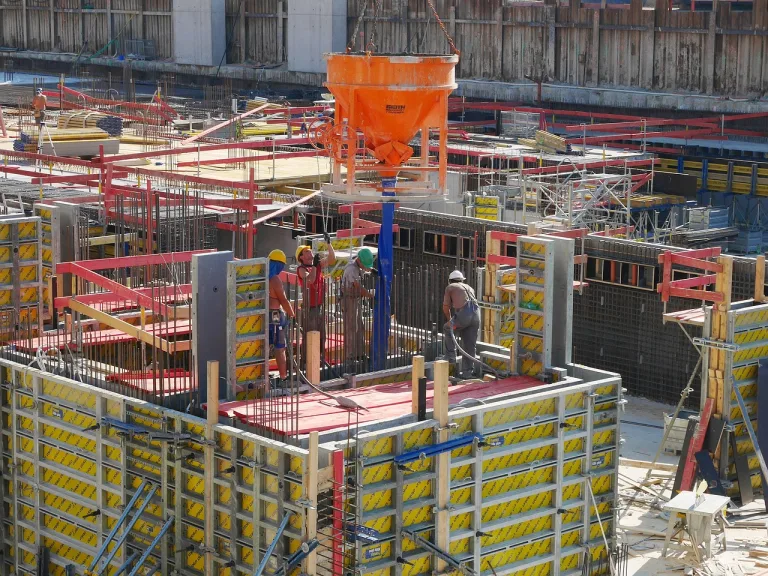
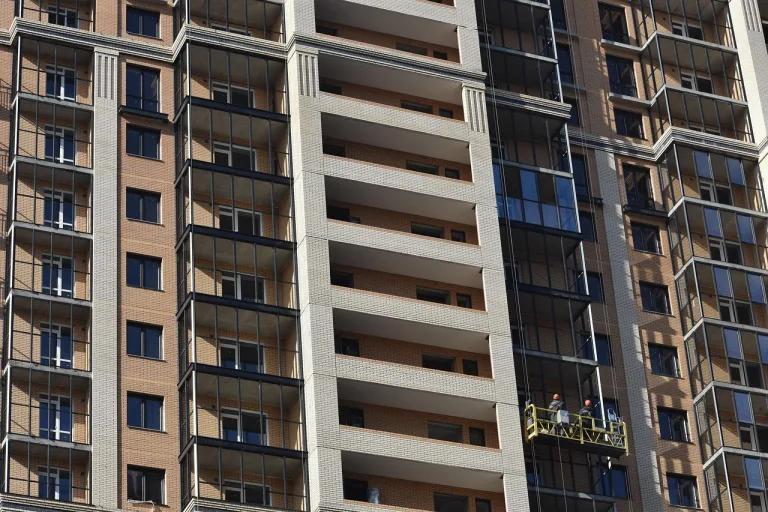
— Growing supply of new-builds (novostroyki) in Primorsky, Moskovsky and parts of Krasnoselsky.
— Stable long-term rental demand from students, professionals and tourists.
— Investment drivers: tourism, universities, IT and service sector growth, city infrastructure projects.
Best neighbourhoods by goal
— Buyers seeking prestige and resale value:
— Admiralteysky, Central, Petrogradsky, Vasilievsky Island — historic centre, museums, embassies, high demand.
— Renters and short-term rental investors:
— Nevsky Prospect corridor, Petrogradsky, near universities (Peter the Great St. Petersburg Polytechnic University areas).
— Families and commuters:
— Moskovsky, Frunzensky, Pushkin (Tsarskoe Selo) — green spaces, schools, metro access.
— New-build and value opportunities:
— Primorsky, Krasnoselsky, and edge-of-city novostroyki — larger layouts, modern amenities, better prices per m².
Buying: practical steps
1. Define goals and budget (include taxes, notary fees, utilities, renovation).
2. Get mortgage pre-approval if needed — major lenders (Sberbank, VTB, Gazprombank and others) operate in the city.
3. Choose between:
— Pre-war (dorogie “starye doma”): high ceilings, character, but often require renovation and higher maintenance.
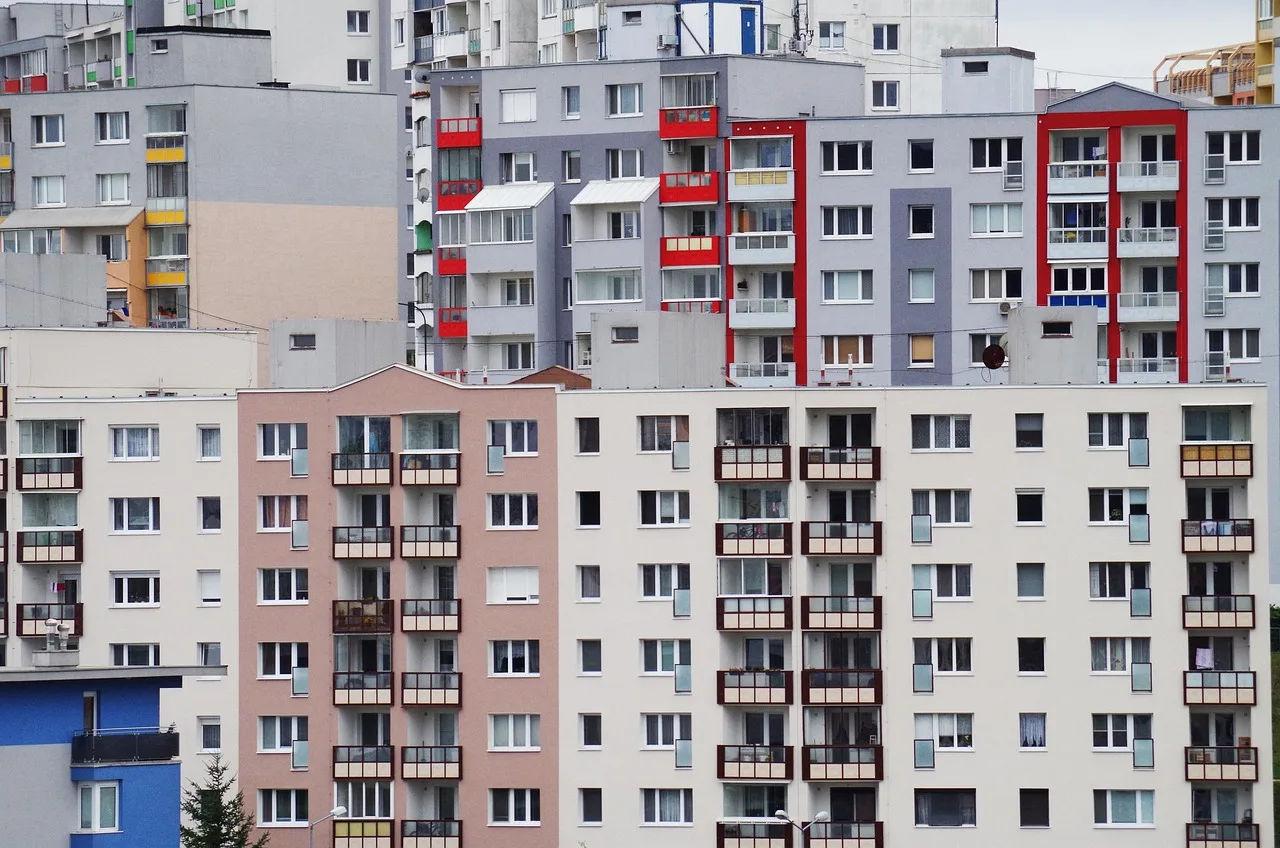
— Soviet-era and Khrushchyovka: cheaper but smaller, with lower ceilings.
— Novostroyka: modern amenities, developer warranties, but check construction deadlines and developer reputation.
4. Conduct due diligence:
— Verify ownership and absence of encumbrances in Rosreestr (cadastral number, ownership records).
— Confirm seller identity and the chain of title.
— Check for mortgages, liens, or rental agreements.
5. Contract and registration:
— Prepare a sale-purchase agreement; registration of the transfer at Rosreestr finalises ownership.
— Use escrow accounts for new builds where available; consider notary services for extra security.
6. Post-purchase:
— Register utilities, update tax records, and join the building’s management organisation or HOA (TSZH).
Renting: what tenants should know
— Typical lease durations: short-term (tourists) to long-term (students/professionals).
— Expect to pay a security deposit (often one month’s rent) and utilities either included or additional.
— Clarify subletting, maintenance responsibilities, and termination notice in the contract.
— For short-term rentals, check local rules—some buildings/HOAs restrict short-term leases.
Legal & tax essentials
— Property registration is handled by Rosreestr; ensure the cadastral and registration records match the contract.
— Foreign nationals can buy residential apartments in Russia, but there are restrictions on land ownership and certain categories of property—consult a lawyer before transacting.
— Property tax, income tax on rental revenue and possible capital gains tax apply—rates and residency rules vary. Consult a local tax advisor for specifics.
— Beware of fraud schemes: always verify seller identity, use secure payment channels, and consider an independent legal check.
Financing & budgeting
— Bank mortgages are widely available; prepare for down payment requirements and rate variability tied to macroeconomic conditions.
— Factor in:
— Agent fees (if applicable),
— Rosreestr registration fees,
— Repair and renovation costs,
— Utilities and communal charges (komm. uslugi),
— Insurance (optional but recommended).
Renovation & resale tips
— Retain period features in historic flats where possible—original details often add value.
— For novostroyki, high-quality finishes and practical layouts improve rental appeal.
— Energy-efficient upgrades and modern kitchens/bathrooms increase resale and rental returns.
— Keep renovation permits and contractor contracts to avoid disputes and aid future buyers.
Risks and market considerations
— Economic and regulatory volatility can affect pricing and mortgage conditions—plan for longer-term horizons.
— Check building condition carefully in older stock: foundations, plumbing, heating systems (central heating is common), and flood risk from the Neva in low-lying areas.
— Sanctions and geopolitical events can influence foreign investment flows and financing—stay informed and consult professionals.
Quick checklist before signing
— Confirm owner and Rosreestr records match.
— Obtain seller’s tax clearance or confirm no outstanding debts.
— Verify utility accounts and how communal fees are charged.
— Get a written inventory of included fixtures and fittings.
— Consider a pre-sale expert inspection (building engineer, surveyor).
Final recommendations
— Work with a reputable local agent and a qualified real estate lawyer.
— Get mortgage pre-approval to strengthen your offer.
— Prioritise location fundamentals: metro access, schools, infrastructure projects and future development plans.
— If investing: focus on areas with consistent rental demand and good transport links.
If you’d like, I can:
— Suggest neighbourhoods matched to your budget and goals.
— Draft a viewing checklist or a sample sale agreement clause list.
— Recommend questions to ask developers or sellers.