Buying and Investing in Real Estate in Saint Petersburg: A Practical Guide
Introduction
Saint Petersburg is Russia’s cultural capital and a strong real estate market thanks to tourism, higher education institutions, and a large professional population. Whether you’re buying a home to live in, a pied-à-terre, or an investment property, this guide outlines the neighbourhoods, legal steps, financing options, rental potential, and practical tips specific to Saint Petersburg.
Market overview
— Historic center and islands (Admiralteysky, Petrogradsky, Vasileostrovsky) are premium: architectural value, proximity to attractions and metros.
— Soviet-era microdistricts and newer mass-market projects (moskovsky, pushkinsky periphery, Primorsky district) offer more space for the money.
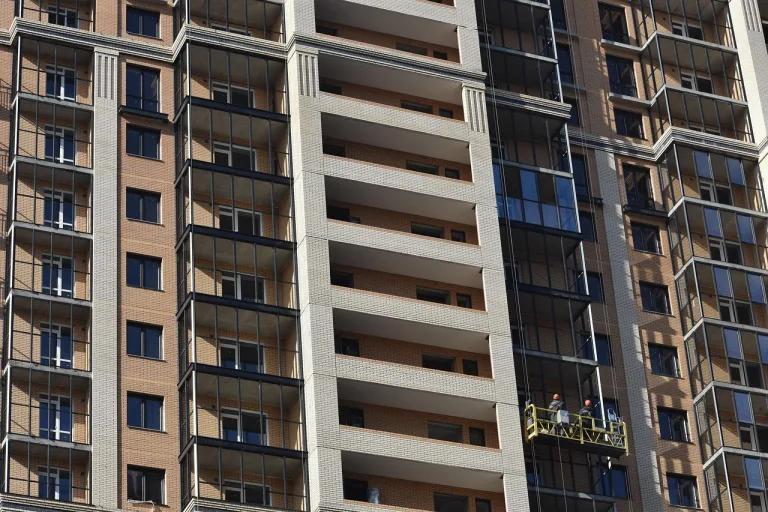
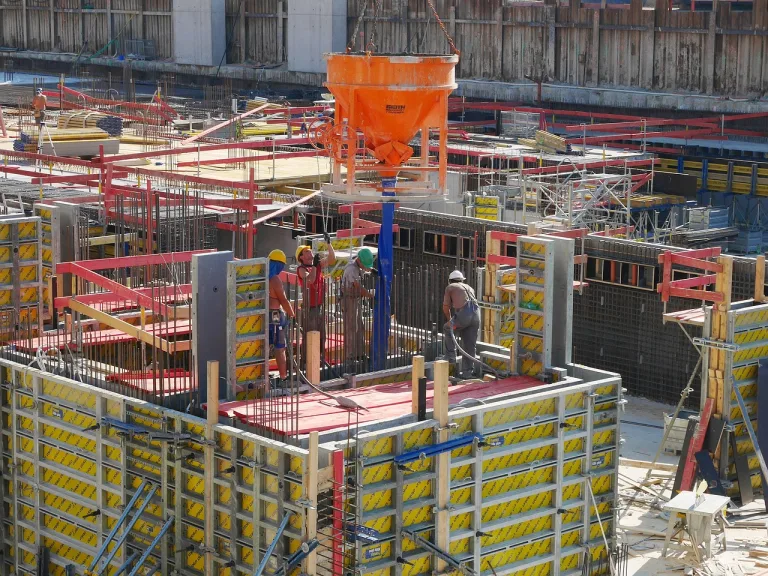
— New developments (novostroyki) are widely available; since 2019 developers commonly use escrow accounts—this improves buyer protection.
— Demand drivers: students, domestic and international tourists, professionals, and seasonal short-term rentals.
Top neighbourhoods to consider
— Admiralteysky / Central (historic core) — prestige, high demand, best for short-term rental and resale.
— Petrogradsky Island — quieter, good transport links, popular with families and professionals.
— Vasileostrovsky Island — mix of historic and new; vibrant cultural scene.
— Moskovsky / Frunzensky — good mid-range options, strong transport corridors.
— Primorsky / Krestovsky — modern developments and new infrastructure; some elite complexes on Krestovsky Island.
— Pushkin / Peterhof (suburbs) — for larger lots, dachas, quieter living, popular for families.
Buying process and legal steps (high-level)
— Find property via trusted portals (Cian, Yandex Real Estate, local agencies) or direct listings.
— Due diligence:
— Verify ownership and encumbrances in the Unified State Register of Real Estate (EGRN / Rosreestr).
— Check for debts on utilities, outstanding mortgages or court disputes.
— Confirm cadastral and technical passports, legal address, floor plans and permitted use.
— Contract: prepare a sale-purchase agreement (often with prepayment terms) — many buyers use an agent plus a lawyer to draft/review.
— Registration: register the transaction and new ownership with Rosreestr; registration is what legally transfers title.
— Payment: use bank transfers, escrow accounts, or notarially certified instruments; avoid large cash-only deals.
— Keys and handover: complete an act of acceptance and inventory if sold furnished.
*Note: Foreigners can buy apartments in Russia, but land and some properties might be restricted. Consult a local lawyer for current rules.*
Financing and mortgages
— Russian banks offer mortgages for residents; some banks provide mortgage products to non-resident foreigners but with stricter conditions and higher rates.
— Prepare standard documents: passport, proof of income, employment letter, and property documents.
— Consider mortgage insurance, registration fees, and notary/registration costs in total budget.
Investment & rental potential
— Short-term rentals (tourist apartments) perform well in the city center and near major transport hubs, but check building rules and local regulations (condominium restrictions, fire safety, registration of guests).
— Long-term rentals: stable demand from students, young professionals and families. Yields vary by location; prime central properties have lower yield percentages but easier vacancy management due to demand.
— Renovation and furnishing: modern, functional interiors and good photography increase occupancy and rents. Factor in maintenance costs and municipal fees.
Practical tips
— Prioritize properties near a metro station — proximity strongly affects value and liquidity.
— Inspect heating and plumbing — older buildings may need substantial upgrades.
— Ask the seller for utility payment history to reveal potential communal debts.
— Use an independent surveyor for structural issues in historic buildings.
— Negotiate based on documented comparables; seasonal market fluctuations exist (tourist season affects short-term rental demand and pricing).
Common pitfalls to avoid
— Skipping EGRN checks — unseen liens or disputes can bubble up later.
— Relying solely on verbal assurances — get everything in writing.
— Underestimating renovation/maintenance budgets for historic apartments.
— Ignoring residents’ association rules — some buildings prohibit short-term rentals or have strict rules on renovations.
— Assuming mortgage and banking terms for foreigners are identical to residents’—they often are not.
Taxes and ongoing costs (brief)
— Property tax is charged annually based on cadastral value; rates depend on classification and location.
— Rental income is taxable—keep accurate records and consult an accountant for declarations and allowable deductions.
— If you sell within a short ownership period, capital gains rules may apply—seek tax advice.
Useful resources
— Rosreestr (Unified State Register of Real Estate) — basic checks on ownership/encumbrances.
— Major listing portals: Cian, Yandex.RealEstate, Avito, Domofond.
— Local real estate attorneys and licensed agencies — for contract drafting and transaction support