Real Estate in Saint Petersburg: Smart Buying, Investing, and Renting in Russia’s Cultural Capital
Real Estate in Saint Petersburg: Smart Buying, Investing, and Renting in Russia’s Cultural Capital
Saint Petersburg is one of Russia’s most desirable real estate markets: a city of historic architecture, canals and parks, a busy tourism economy, and a growing new-build sector. Whether you’re a first-time buyer, an investor seeking rental income, or relocating for work, understanding the city’s dynamics will help you make confident decisions.
Market overview — what makes Saint Petersburg different
— Rich historic center with high preservation value: classical apartments in central districts command a premium for their style and location.
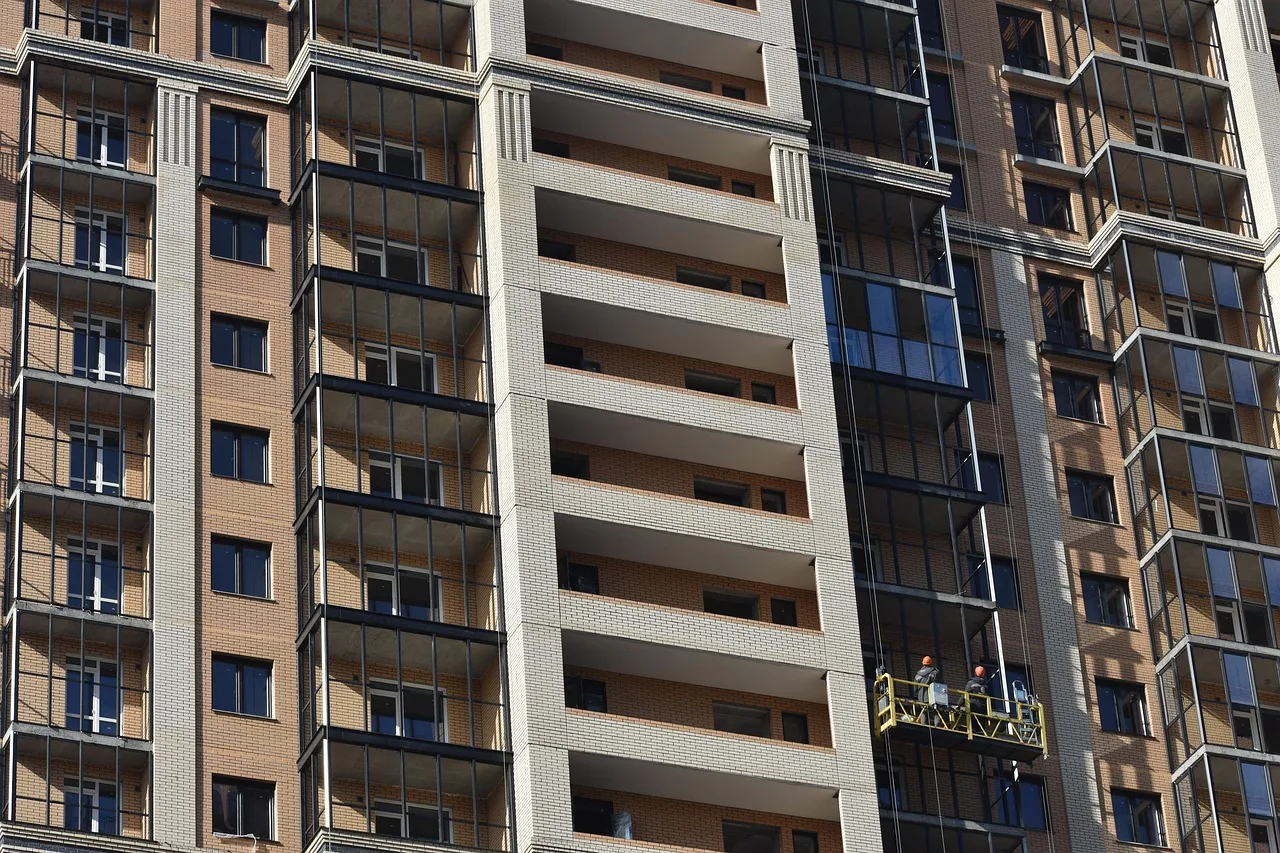
— Large residential suburbs and new developments: modern “novostroyki” appear along metro lines and in northern/primorsky districts, offering amenities and competitive pricing.
— Strong tourism and student demand: short-term rentals are attractive in central areas and near universities, though they require active management.
— Seasonal and local cycles: market activity often slows in winter and heats up in spring–autumn; local economic and regulatory changes can affect pricing and demand quickly.
Key neighbourhoods and what they offer
— Admiralteysky / Central District: historic buildings, canals, museums, top price per square meter, excellent short-term rental potential.
— Vasileostrovsky: island life close to the center, mix of old apartments and new projects, great views.
— Petrogradsky: quieter, green, popular with families and professionals.
— Moskovsky / Frunzensky: developed transport links, more affordable options for commuters.
— Primorsky and Vyborgsky: modern residential complexes, shopping and schools, strong appeal to buyers seeking new construction.
— Pushkin / Peterhof (suburbs): historic towns with villas and lower density, good for primary residences and second homes.
Types of properties to consider
— Heritage apartments (sprechnaya kvartira): attractive, centrally located, may require renovation, often with complex ownership histories.
— Soviet-era flats (Khrushchyovka, Brezhnevka): compact and affordable, popular with first-time buyers or for steady rents.
— Modern apartments in new developments: energy-efficient, with amenities and warranties; often targeted at families and young professionals.
— Townhouses and suburban houses: for buyers seeking space and privacy, but consider commuting and maintenance.
— Commercial units for retail or hospitality: higher risk/reward and sensitive to location and tourism trends.
Legal and practical checklist (before you buy)
— Title search and Rosreestr check: verify ownership, encumbrances, mortgages, and registered rights with the state cadastre.
— Seller identity and chain of title: confirm all owners and that there are no outstanding disputes.
— Building status and permits: check permitted use, renovation/alteration history, and whether the property is in a registered historical preservation zone.
— Encumbrances and debts: confirm there are no unpaid utility bills, taxes, or liens.
— Notarized contract and registration: use a notarized sale-purchase agreement and ensure registration of ownership with Rosreestr to formalize the transfer.
— Use professionals: engage a local real estate lawyer and a trusted agent; consider an independent surveyor for structural issues.
Considerations for foreign buyers
— Foreign individuals can purchase apartments and many types of residential property in Russian cities.
— Restrictions apply to certain land categories (agricultural land, land within border zones) and require additional permits.
— Tax and residency implications vary—consult a cross-border tax advisor to understand income tax on rental, capital gains, and reporting obligations.
— Transactions are typically the same legal process as for locals, but documentation and translation can add complexity.
Financing and costs
— Mortgage options: Russian banks offer mortgages for residents and sometimes for non-residents via local branches—terms depend on credit history, down payment and local economic conditions.
— Additional costs to budget: notary fees, state registration fees, agent commissions, developer/service charges, property tax, and potentially renovation and furnishing costs.
— Insurance and management: consider property insurance and, for rental properties, professional management services to handle tenants and maintenance.
Rental market and returns
— Long-term rentals: steady demand from local workers, students, and families. Typical gross yields vary by area and property quality; central locations trade convenience for lower vacancy, suburbs offer steadier yields for families.
— Short-term/holiday rentals: high seasonality driven by tourism; central, well-furnished apartments close to attractions can outperform long-term yields but require active management and compliance with local regulations.
— Tenant screening and lease terms: use written contracts, inventory reports, and local legal guidance to protect your asset.
Renovation, design and resale tips
— Preserve character where it adds value: original details in central historic flats often boost resale and rental appeal.
— Modern comforts sell: updated kitchens, bathrooms, energy-efficient systems and reliable heating are strong selling points.
— Smart staging for different markets: minimal and durable furnishings for long-term rentals; high-end finishes and photography for premium short-term listings.
— Consider building rules: many historic buildings have strict preservation rules; approvals may be needed for façade or structural changes.
Practical negotiation and buying tips
— Research comparable sales in the micro-neighbourhood and recent market trends.
— Be prepared to move quickly on desirable listings—well-located properties sell fast.
— Include contingencies on financing and survey results in the purchase agreement.
— Where possible use escrow arrangements or bank-held funds until registration is complete.
Risks to watch
— Legal irregularities in ownership or registered encumbrances.
— Hidden maintenance or structural issues in older buildings.
— Regulatory changes affecting short-term rentals or taxation.
— Market volatility tied to broader economic shifts—diversify if you rely on property income.
Final thoughts
Saint Petersburg offers a varied and attractive real estate landscape: historic charme, rental demand, and modern new builds. Success comes from local knowledge, thorough due diligence, and realistic financial planning. Work with reputable local professionals—real estate agents, lawyers, surveyors and tax advisors—to navigate the market and secure an asset that fits your goals.
If you’d like, I can:
— Summarize typical price ranges and yields for specific districts.
— Create a tailored buying checklist based on whether you’re an investor, first-time buyer, or foreign purchaser.
Tell me which service you prefer and I’ll prepare it.