Buying and Investing in Saint Petersburg Real Estate: A Practical Guide
Why Saint Petersburg?
Saint Petersburg is Russia’s cultural capital — historic architecture, major universities, strong tourism and a diversified economy. For buyers and investors it offers a mix of charming pre‑revolutionary apartments in the city center, Soviet‑era stock and large-scale new‑build residential complexes in expanding districts. Whether you want a pied‑à‑terre on Nevsky, a family flat near parks and schools, or an income property for rent, the city has options at many price and risk levels.
Market overview (what to expect)
— Mix of property types: historic “staryy fond” apartments, Stalin/ Khrushchev/ Brezhnev stock, and novostroyki (new developments).
— Demand drivers: students, professionals, domestic tourism, municipal employers.
— Central districts: higher prices, strong short‑term rental demand, prestige.
— Peripheral/new districts: more affordable, modern amenities, larger floorplans, longer waiting for infrastructure.
Neighborhoods to consider
— Central/Admiralteysky, Tsentralny: best for culture, walking life, short‑term rentals; older buildings with character.
— Petrogradsky & Vasilievsky Islands: quieter, good for families and professionals; mix of old and new.
— Krestovsky/Primorsky: prestige pockets, waterfront living, modern complexes.
— Moskovsky & Frunzensky: more mid‑range options, good transport links.
— Pushkin (Tsarskoye Selo), Peterhof: suburban/historical towns — great for villas, dachas and family living.
Types of properties and trade‑offs
— Historic apartments: high ceilings, original detailing — often require major renovation and updated utilities.
— Soviet stock: practical layouts, lower ceilings, usually cheaper but may need modernization.
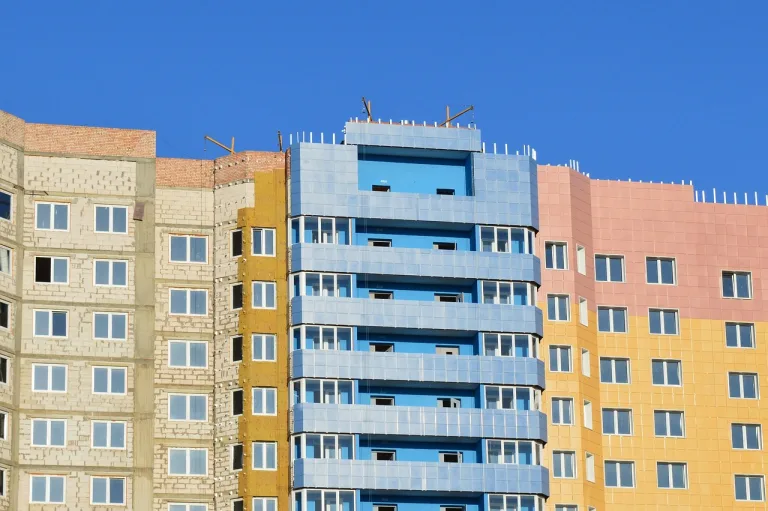
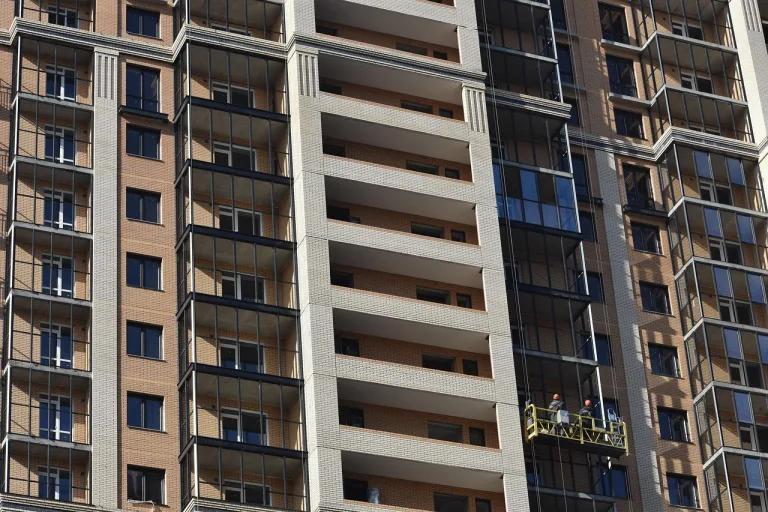
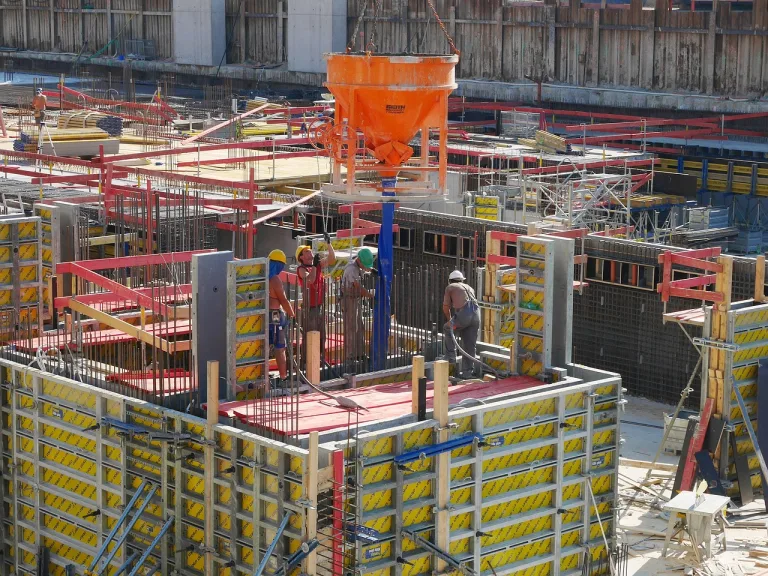
— New builds (novostroyki): warranties, modern engineering, developer mortgages and escrow protection, but possible quality variance between builders.
— Houses/villas and dachas: lifestyle choice; check utilities, flood/drainage and road access.
Legal and practical steps (high‑level)
1. Define objectives: live, rent long‑term, short‑term, capital gain.
2. Shortlist neighborhoods and properties with an agent you trust.
3. Due diligence:
— Obtain an official Rosreestr extract to confirm current owner and encumbrances (mortgages, bans).
— Check for debts for utilities, land/communal liabilities and any registered disputes.
— Verify the seller’s right to sell (single owner, power of attorney, inheritance cases).
4. Contract stage:
— Preliminary agreement and deposit, then purchase‑sale contract (Договор купли‑продажи).
— For new‑builds: understand whether sale is via escrow accounts (buyer funds protected) or direct financing.
5. Registration: register ownership rights with Rosreestr. Use escrow or notary where appropriate.
6. Handover and utilities: acceptance protocol, meter readings, transfer of utility accounts.
*Always* work with a reputable local lawyer and a licensed real estate agent to review documents and represent your interests.
Financing
— Mortgages are available from Russian banks; terms and requirements differ for non‑residents.
— Expect typical down payments of 15–30% depending on borrower profile and property type.
— Developers often offer promotional mortgage programs for new builds.
— Compare interest rates, fees, early repayment rules and foreign currency risks if you use non‑RUB income.
Taxes and costs to budget for
— Transaction costs: registration fees, notary costs (where applicable), agent commissions.
— Ongoing: property tax, utilities, HOA (TSZh or management company) fees.
— Rental income and capital gains are taxable; rules vary by residency status—get local tax advice.
Investment tips
— Location matters: proximity to metro, universities, workplaces and major cultural sites boosts rental demand.
— Short‑term vs long‑term rentals: center