The Ultimate Guide to Buying Real Estate in Saint Petersburg: Neighborhoods, Process, and Investment Tips
Introduction
Saint Petersburg is Russia’s cultural capital — a city of canals, imperial palaces and leafy boulevards. For buyers and investors, it offers a wide spectrum: historic apartments in the city center, modern new-builds in expanding districts, and suburban villas near parks and waterfronts. This guide walks you through what matters most: where to look, how transactions work, and how to avoid common pitfalls.
Why Saint Petersburg?
— Rich cultural appeal that supports steady rental demand (tourism + students + professionals).
— Diverse housing stock: pre‑revolutionary classics, Soviet-era buildings, contemporary projects.
— Good transport links and ongoing infrastructure investments that expand residential options.
Best Neighborhoods by Goal
— Central / Admiralteysky: *Historic apartments, premium prices, excellent amenity and tourist demand.*
— Petrogradsky & Vasileostrovsky Islands: *Quieter central living, good for professionals and families.*
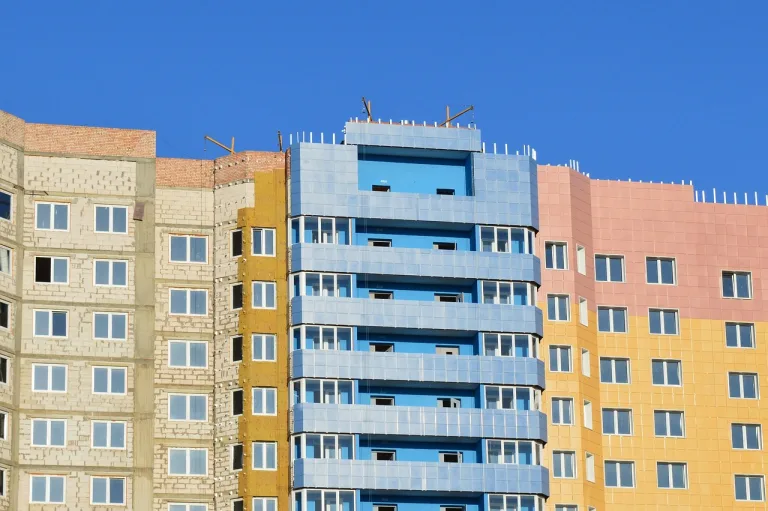
— Primorsky & Vyborgsky: *Modern developments, larger complexes, attractive for first‑time buyers and families.*
— Moskovsky & Frunzensky: *Well‑connected residential districts with mid‑range apartment stock.*
— Pushkin / Pavlovsk / Peterhof (suburbs): *Spacious houses, gardens, ideal for country living or weekend escapes.*
— Krestovsky Island: *High-end properties, near parks and stadiums — premium segment.*
Market Types: New Build vs Secondary Market
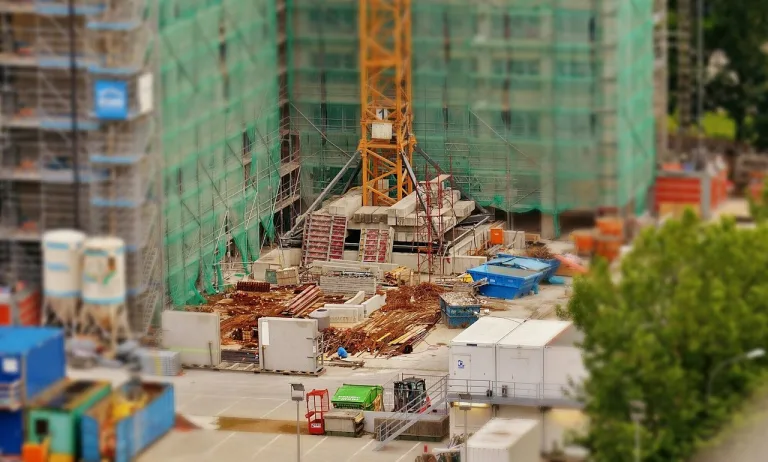
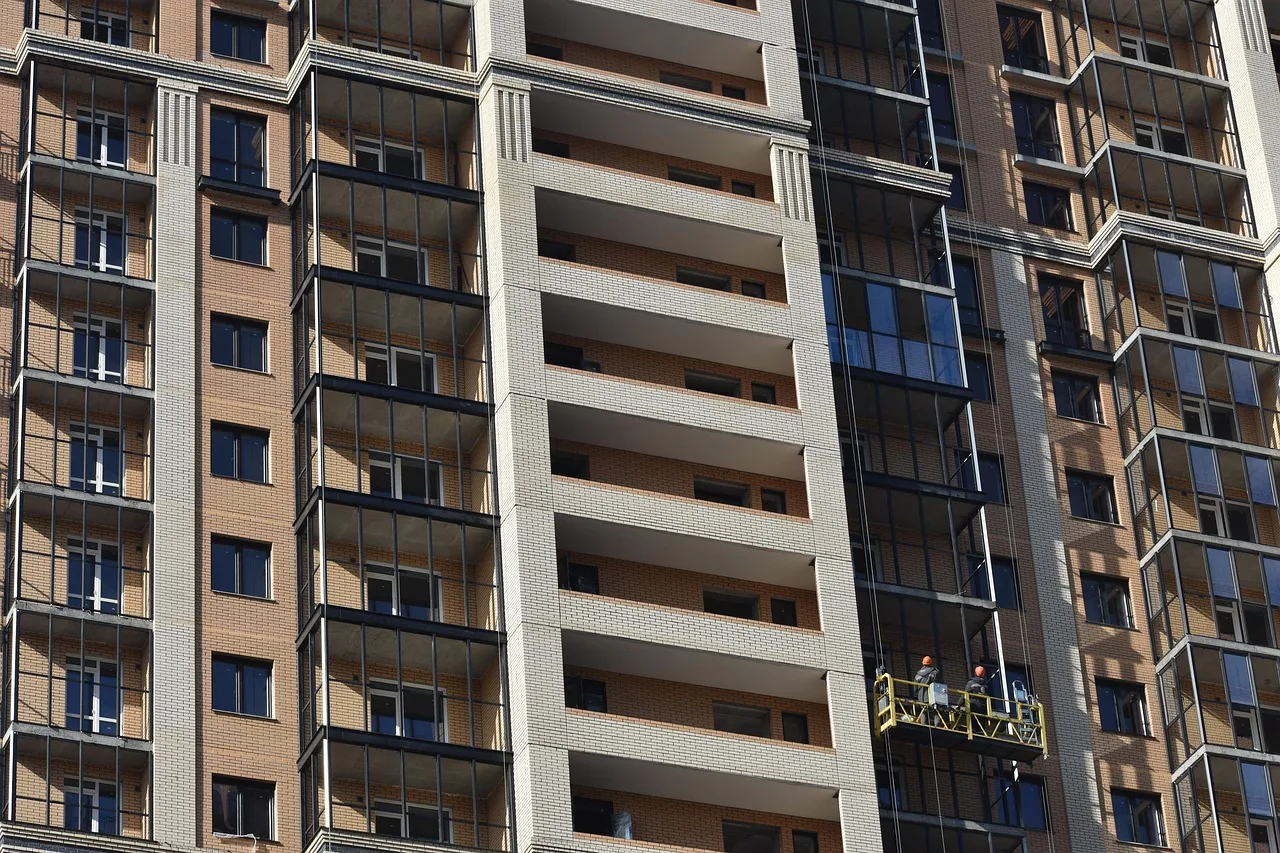
— New build (developer): warranties, modern layouts, infrastructure inclusion; check developer reputation and whether the project uses escrow accounts or DDU‑style contracts.
— Secondary market (resale): immediate occupancy, potential for negotiation, but requires careful title and encumbrance checks.
— Renovation factor: historic center flats often need full refurbishment — factor renovation costs and permits into your budget.
Step‑by‑Step Buying Process (Essentials)
1. Define objectives: primary residence, rental yield, or long‑term capital growth.
2. Budget and financing: explore local mortgage offers; non‑residents face stricter requirements.
3. View properties and compare neighborhoods, transport, schools, and utilities.
4. Due diligence:
— Verify ownership and encumbrances in Rosreestr (the state registry).
— Request seller’s ID, inheritance or corporate documents if applicable, and mortgage release statements.
— Check building technical passport and history of renovations/permits.
5. Negotiate price and agree preliminary terms (reservation agreement or pre‑contract).
6. Contract: have a written sale agreement reviewed by a qualified lawyer; for developer purchases use the official construction contract framework.
7. Payment and registration: complete payment per contract terms; register the new ownership in Rosreestr.
8. Handover: sign transfer act, collect keys, switch utilities and services.
Legal and Practical Tips
— Always check Rosreestr to confirm legal status and encumbrances prior to signing.
— Use a Russian‑fluent lawyer or notary experienced in local real estate law.
— Be cautious with cash transactions; use bank transfers and keep clear documentation.
— If using an agent, confirm their license/credentials and get commission terms in writing. Agent fees commonly range but should be discussed up front.
— For new builds, verify whether payments go to escrow accounts — this protects buyers if a developer fails to complete a project.
Taxes and Ongoing Costs (What to Expect)
— Property tax and communal service charges apply; rates and amounts depend on property type, size and cadastral value.
— Transaction-related costs: registration fees, notary services when needed, and agent commissions if used. Consult your advisor for current figures and possible tax benefits.
Renting and Investment Considerations
— Short‑term (tourist) rentals perform well in central areas but may be subject to local regulations — check zoning and landlord obligations.
— Long‑term rentals are reliable in residential districts near universities and transport hubs.
— Calculate net yield after taxes, utilities, maintenance and vacancy periods. Plan for possible renovation and management costs if you don’t live locally.
Common Pitfalls to Avoid
— Skipping registry checks — undisclosed liens or inherited claims can derail a sale.
— Ignoring building issues: structural problems, damp, or illegal renovations can be expensive to fix.
— R