Saint Petersburg Real Estate: A Practical Guide for Buyers and Investors
Saint Petersburg Real Estate: A Practical Guide for Buyers and Investors
Saint Petersburg is Russia’s cultural capital — a city of canals, imperial architecture and a vibrant urban life. Whether you’re buying a pied-à-terre, a rental apartment, or a family home, understanding the local market, neighborhoods and purchase mechanics will help you make confident decisions.
Why invest or buy in Saint Petersburg?
— Historical and cultural appeal attracts long-term tenants and seasonal visitors.
— Diverse housing stock: ornate pre-revolutionary flats, Soviet-era apartments, new developments and suburban houses.
— Strong rental demand from students, young professionals and expats working for multinational companies and diplomatic missions.
— Well-developed transport links and expanding infrastructure make many districts increasingly desirable.
Snapshot: who buys and what they seek
— Local buyers: upgrading or trading within the city; often value proximity to work and schools.
— Investors: short- and long-term rentals, renovation/resale (“flip”) projects.
— Foreign buyers: often seek second homes or investment properties in central districts; using local advisers simplifies the process.
Neighborhood highlights
— Central (Admiralteysky, Tsentralny): iconic architecture, museums, higher prices; ideal for short-term rentals and prestige buyers.
— Petrogradsky & Vasileostrovsky: island districts with a lively local scene — popular with young professionals and families.
— Moskovsky & Frunzensky: good transport links, more modern residential complexes; balanced value for money.
— Primorsky & Kalininsky: newer developments, more space and family-oriented infrastructure.
— Pushkin / Peterhof (suburbs): classic suburban lifestyle, gardens and historic estates — suited to families seeking a quieter environment.
Types of properties
— Pre-revolutionary apartments: high ceilings, original details — often require renovation but command premium rents.
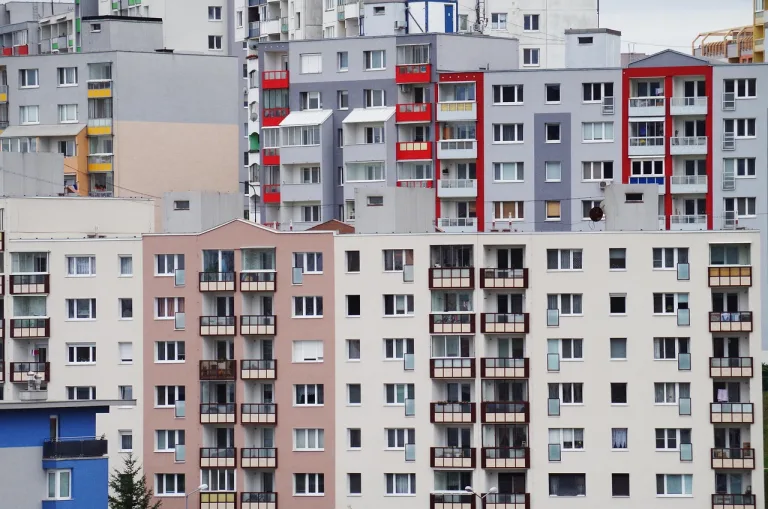
— Soviet-era (Khrushchyovka/Panel/Brutalist) flats: practical, often cheaper per square meter.
— New builds: modern amenities, warranties from developers — popular with young families.
— Townhouses and dachas: outside the city center for buyers seeking space and greenery.
Typical goals and strategies
— Buy-to-let (long-term): stable monthly income, lower turnover — choose well-connected districts and functional layouts.
— Short-term rental (Airbnb/holiday): higher income potential in the historic center but requires active management and awareness of local regulations.
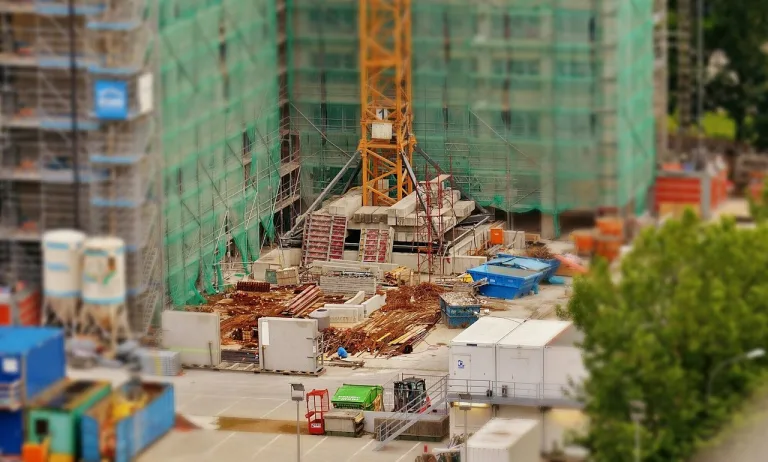
— Renovate & sell: buy undervalued properties, renovate, and resell — good understanding of construction and permits needed.
— Owner-occupier: prioritize access to schools, transport and daily amenities.
The purchase process — step by step
1. Define your objectives and budget.
2. Shortlist neighbourhoods and properties; view multiple options.
3. Carry out due diligence: verify ownership, encumbrances, and legal status.
4. Negotiate price and payment terms.
5. Conclude a preliminary agreement or reservation deposit (practice varies).
6. Sign the final sale contract and register the ownership at the relevant registry.
7. Pay state duties, notary fees (if applicable) and transfer funds.
8. Receive keys and arrange move-in or property management.
*Tip:* Use a reputable local lawyer to review documents and attend registration on your behalf if you cannot be present.
Financing, taxes and costs to expect
— Mortgages: available from Russian banks; conditions differ for residents and non-residents. Foreign buyers may face higher down payments and stricter requirements.
— Transaction costs: state registration fees, notary fees, agency commissions (if using an agent), and legal fees.
— Ongoing costs: utility bills, maintenance, property tax and, if applicable, land tax for houses.
— Rental income: must be declared; tax rules depend on residency and local legislation.
Renovation and property management
— Renovations in heritage buildings may require permits — check with local authorities.
— Budget for hidden costs: structural work, plumbing/electrics, elevator repairs in older buildings.
— Property management services are widely available for landlords who prefer a hands-off approach (tenant screening, cleaning, maintenance, and guest services).
Common pitfalls and how to avoid them
— Skipping a full title search: always confirm there are no liens or legal disputes.
— Underestimating renovation timelines and costs — get multiple contractor quotes and a clear schedule.
— Over-relying on tourist rental returns in areas with regulatory changes — diversify when possible.
— Language and paperwork barriers — hire a bilingual lawyer or trusted agent.
Quick buyer’s checklist
— Clear objective: investment, rental, or residence.
— Verified ownership and clean title.
— Professional valuation or market comparison.
— Legal review of contract and registration procedure.
— Contingency fund for taxes, fees and renovations.
— Property manager or local contact if you won’t live nearby.
Final tips
— Visit properties multiple times and at different times of day to understand the neighborhood rhythm.
— Build relationships with trusted local professionals: lawyer, agent, appraiser, and contractor.
— Keep monitoring macro conditions and local regulation changes that could affect mortgages, tax or rental rules.
Saint Petersburg offers a rich mix of architectural charm and practical investment opportunities. With careful due diligence and local expertise, buyers can secure properties that match lifestyle needs or investment goals.
If you’d like, I can:
— Suggest neighborhoods tailored to your budget and lifestyle;
— Draft a checklist for property viewings;
— Recommend questions to ask sellers, agents or developers.