Saint Petersburg Real Estate: A Practical Guide for Buyers and Investors
Why Saint Petersburg?
Saint Petersburg combines imperial architecture, waterways, world-class culture and a large, diverse population. That mix keeps demand steady across segments: central historic apartments, modern new-builds, suburban family homes and rental units for students and professionals. Whether you’re buying to live, rent or invest, understanding local neighbourhoods, legal steps and market dynamics is essential.
Market snapshot
— *Historic centre* commands premium prices but offers prestige and strong long-term value.
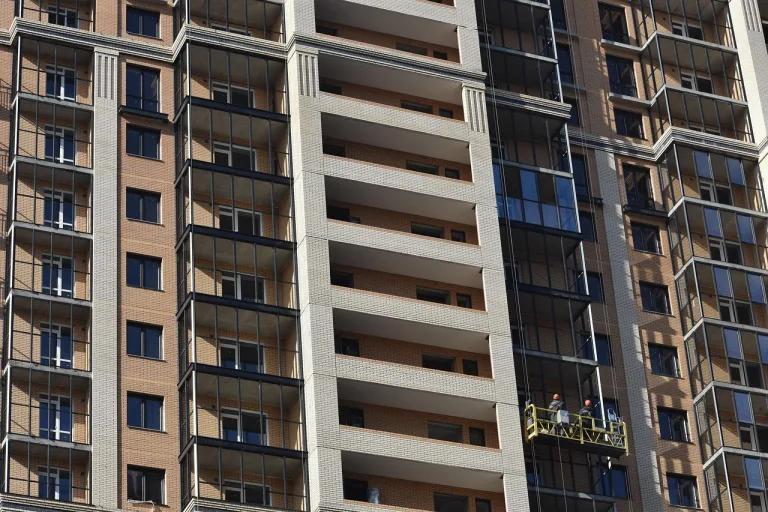
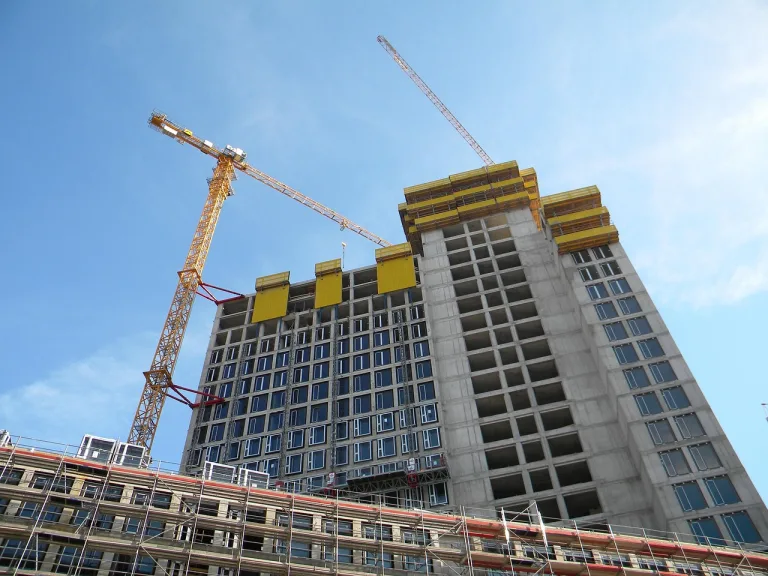
— *New developments* on the city outskirts are more affordable, with modern amenities and developer warranties.
— *Rental demand* is stable in areas close to universities, transport hubs and business centres.
— Foreign buyers can purchase apartments freely; restrictions may apply to certain land plots and border zones—always check specifics with a lawyer.
Neighborhoods worth knowing
— Tsentralny (Central/Admiralteysky) — Iconic architecture, canals, museums. High prices and strong short-term rental potential.
— Petrogradsky & Vasileostrovsky — Close to centre, good for families and professionals, mix of historic and new housing.
— Moskovsky & Frunzensky — More residential, good transport links and more affordable than the centre.
— Primorsky & Vyborgsky — Fast-growing suburbs with many new projects and family-oriented infrastructure.
— Pushkin & Pavlovsk (towns outside city) — Parks, quieter living, popular for weekend homes and families.
Buying vs renting — what to consider
— Buying: *build equity, renovate to increase value, long-term stability.*
— Renting: *mobility, lower upfront cost, easier to test neighbourhoods.*
— For investors: compare gross rental yield, vacancy risk and maintenance costs; short-term rentals can boost income but require active management and compliance with local rules.
The purchase process — key steps
1. Market research & budgeting
— Decide location, type (historic apartment, new build, suburban house), and target return if investing.
2. Due diligence
— Verify ownership and encumbrances in the *ЕГРН* (Unified State Register of Real Estate / Rosreestr).
— Check cadastral number, boundaries, previous transactions, mortgages or court disputes.
3. Preliminary agreement & deposit
— Use a written preliminary contract; avoid large cash deposits before checking documents.
4. Final contract
— Purchase agreement often executed via a notary; banks require proper documentation for mortgages.
5. State registration
— Register the transfer of ownership with Rosreestr; registration is what legally confirms ownership.
6. Handover & utilities
— Get all keys, meter readings, certificates of no debt (utilities), and technical passport if applicable.
Financing & taxes
— Mortgages are widely available from major Russian banks; get pre-approval to strengthen your offer.
— Developers often use escrow accounts for new builds—confirm how funds are held.
— Expect transaction-related costs: state registration fees, notary fees, agent fees (if used) and potential capital gains and property taxes. Consult an accountant for tax specifics.
Renovation & maintenance considerations
— Historic apartments may have high ceilings and original features but often need major repairs (plumbing, wiring, heating).
— New-builds usually come with warranties and modern systems, but check builder reputation and delivery timelines.
— Factor in condominium fees, building maintenance and utilities when calculating returns.
Common pitfalls to avoid
— Skipping a legal title search — always check ЕГРН and request notarized documents.
— Overlooking additional costs (condo fees, renovations, taxes).
— Trusting verbal promises — get everything in writing.
— Ignoring developer credentials and escrow arrangements on new projects.
Practical tips for success
— Use a local real estate lawyer for contracts and due diligence.
— Work with an experienced agent who knows micro-neighbourhood trends.
— Visit properties at different times (day/night, weekdays/weekends) to assess noise and local life.
— Negotiate based on comparable sales and visible repair needs.
— If investing, model best- and worst-case rental scenarios and include vacancy and management costs.
Quick checklist before signing
— Confirm seller identity and absence of encumbrances in ЕГРН.
— Verify cadastral number and floor plan match the