Buying, Selling and Investing in Saint Petersburg Real Estate: A Practical Guide
Overview: Why Saint Petersburg is a compelling market
Saint Petersburg combines historic architecture, strong tourism, a large student population and steady domestic demand. The city’s compact centre, numerous cultural landmarks and riverfront locations make it attractive for owner-occupiers, long-term renters and—selectively—short-term rental investors.
Key advantages:
— Rich stock of pre-revolutionary and classical apartments with high character.
— Growing new-build supply in peripheral districts and Primorsky/Frunzensky micro-districts.
— Reliable public transport (metro, commuter trains) and major universities that support rental demand.
— Strong local market for renovation-led value-add plays.
Neighborhood guide — match needs to place
— Tsentralny / Admiralteysky: Best for resale value, tourism demand and prestige. Good for boutique rentals and owner-occupiers who want walkability and historic views.
— Vasileostrovsky / Petrogradsky: Close to universities, young professionals, good cafés and loft-style apartments.
— Moskovsky / Frunzensky: More modern housing stock, wider apartments, family-friendly infrastructure.
— Primorsky / Kalininsky: New developments, parks and transport expansion — attractive for buyers seeking modern amenities and lower per-sq.m. pricing.
— Pushkin / Peterhof: Suburban, popular for country homes and second properties, historic parks and quieter living.
Types of properties and what to expect
— Pre-revolutionary apartments: high ceilings, layout potential, often require renovation; command premium for location and character.
— Stalin-era and «khrushchyovka»: solid, sometimes cheaper, varied layouts and lower ceilings.
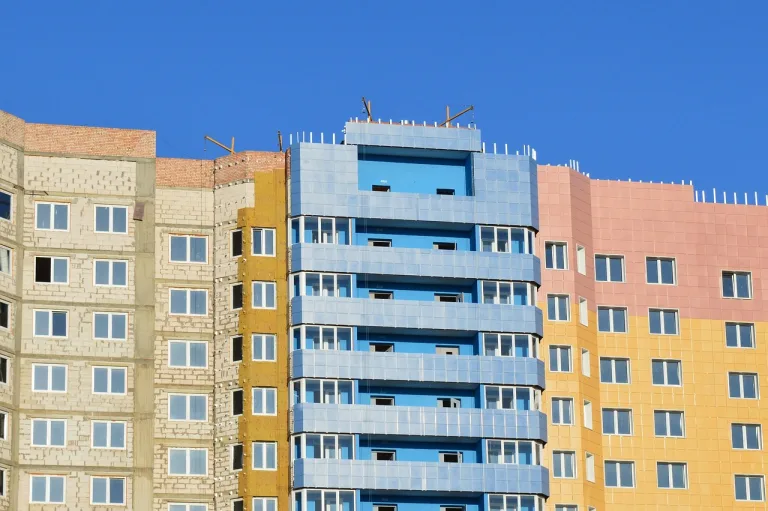
— Modern monolithic/bricked new-builds: better insulation, warranties, developer mortgage options.
— Closed complexes and business-class: security, amenities, but higher HOA fees.
Buying process (step-by-step)
1. Define objective: residence, long-term rent, short-term rent, flip.
2. Search & view: use reliable portals (CIAN, Avito, Yandex Real Estate) and local reputable agencies.
3. Due diligence before paying:
— Obtain an EGRN extract (выписка из ЕГРН) to verify ownership, encumbrances, mortgages, arrests.
— Confirm cadastral number and address.
— Check seller’s identity and marital status; obtain spouse consent if required.
— For apartments: verify there are no co-owners, registered heirs, or municipal restrictions.
4. Preliminary agreement / deposit: use a written reservation agreement and limit deposit size; prefer escrow accounts or bank guarantees when available.
5. Sale contract and registration:
— Sign a purchase agreement (договор купли-продажи).
— Register ownership change with Rosreestr (Federal Service for State Registration, Cadastre and Cartography).
— Many buyers use notaries or bank escrow services to handle funds and documents.
6. Handover: sign acceptance act (акт приема-передачи) and make final payment per contract terms.
For foreign buyers — key considerations
— Foreign nationals can buy most city real estate, but restrictions exist for agricultural land and properties in certain border areas (and Crimea — special legal regime).
— Mortgages for non-residents may be available but terms vary; check current bank policies and required documentation.
— Use a Russian lawyer fluent in English (or your language) to confirm compliance with local rules and verify documents.
Legal and tax essentials
— Registration: ownership is effective only once registered with Rosreestr.
— Extract from EGRN is the primary document proving title and encumbrances.
— Taxes: owners pay annual property tax based on cadastral value. Capital gains tax rules depend on ownership duration and seller status—consult an accountant or lawyer for specifics.
— Notary: not always mandatory, but commonly used for added legal certainty, especially with complex transactions or power-of-attorney arrangements.
Due diligence checklist (must-haves)
— EGRN extract (current)
— Cadastral and floor plans
— Seller’s passport and proof of ownership
— Proof of absence of debts or mortgages (or consent from mortgagee)
— Consent of spouse where applicable
— Building/HOA rules and minutes regarding short-term rentals (if relevant)
— Permits for renovations (if planned)
Investment returns & rental market
— Long-term rental demand is steady near universities, business districts and metro stations.
— Short-term rentals can be lucrative in historic centre locations but require compliance with building and HOA rules; market volatility and local regulation can change returns quickly.
— Key drivers of rentability: proximity to metro, condition and layout after renovation, and professional marketing/photos.
Staging and selling tips
— Professional photos and a clean, neutral staging increase viewings and shorten time on market.
— Invest in cosmetic renovation (kitchen/bathroom) for better price uplift—document all permits.
— Provide a complete packet of documents to buyers: EGRN extract, technical passport, warranty (if new), and HOA statements.
Common risks and how to avoid them
— Fake sellers or forged documents: verify documents in person and cross-check with EGR