Buying Real Estate in Saint Petersburg: A Practical Guide for Buyers and Investors
Buying Real Estate in Saint Petersburg: A Practical Guide for Buyers and Investors
Saint Petersburg offers a unique blend of history, culture and modern living. Whether you’re hunting for a pied-à-terre in the historic centre, a family flat near parks and schools, or an investment property with rental potential, this guide summarizes what you need to know: where to look, how the purchase works, financial and legal points, and practical tips to avoid common pitfalls.
Quick market snapshot
— Historic centre (Tsentralny, Admiralteysky): premium prices, high tourist and short-term rental demand, limited new supply.
— Petrogradsky & Vasilievsky: attractive for families and professionals — stylish pre-war and modern apartments.
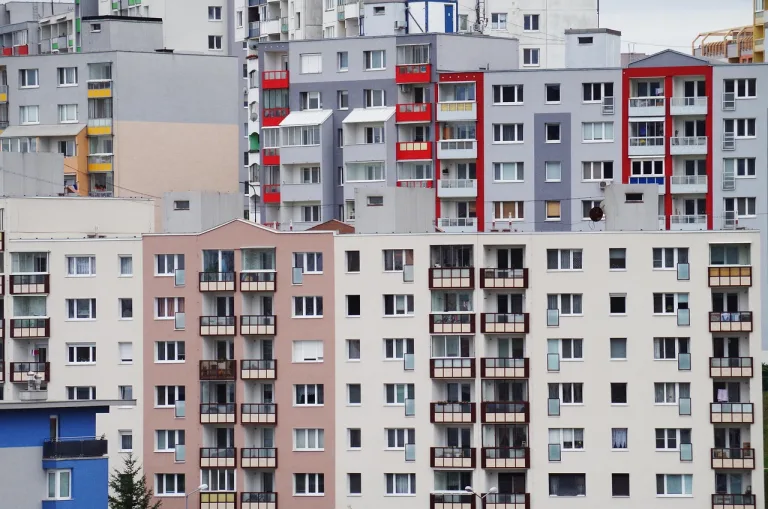
— Primorsky & Moskovsky districts: large modern developments, better prices per sqm, good transport.
— Pushkin, Peterhof, Pavlovsk: suburban historic towns — villas, low-rise homes, popular for second residences.
— New-builds vs secondary market: new builds often sold via escrow accounts; secondary market gives quicker closing but requires thorough checks.
Note: Market conditions change with macroeconomic trends and policy. Always check current price indices and lending rates before deciding.
Where to buy — neighborhood highlights
— Tsentralny (Nevsky Prospekt, Palace Square area): prestige, commuter convenience, top rents; premium prices and higher maintenance costs.
— Admiralteysky: quiet, architecturally rich, near major museums.
— Petrogradsky: green, family-friendly, good schools, close to center.
— Vasilievsky Island: universities, restaurants, mix of classic and modern housing.
— Primorsky: modern residential complexes, waterfront spots, value for money.
— Moskovsky / Frunzensky: strong commuter links, affordable options with improving infrastructure.
— Pushkin / Pavlovsk / Peterhof: historic estates, cottages and low-rise living outside the city core.
Types of properties
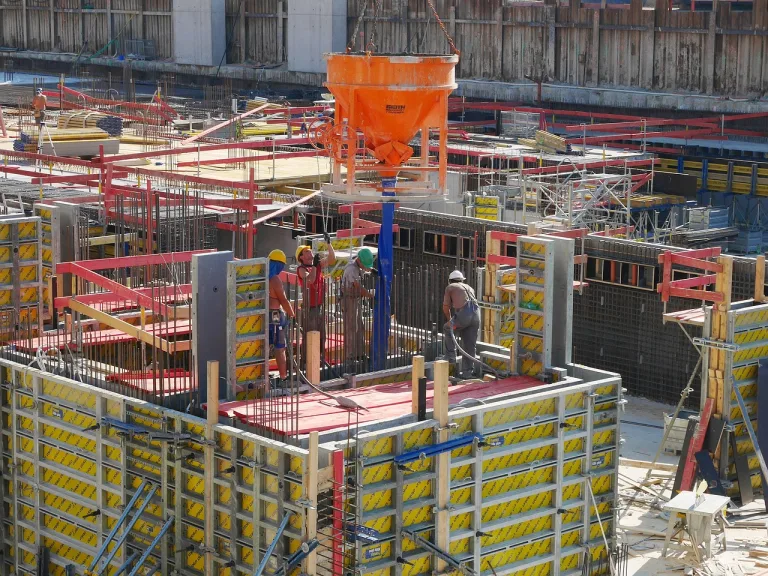
— New developments (novostroyki): developer warranties, escrow accounts, staged payment options, risk linked to developer reputation and timelines.
— Secondary market (vtorichka): immediate possession possible, greater variety, needs careful legal checks (EGRN extract, encumbrances).
— Elite/historical flats: unique architecture, high upkeep and restoration costs; often louder tourist areas.
— Suburban houses and cottages: attractive for families but check engineering, land ownership status and utilities.
Step-by-step purchase process (typical)
1. Define budget, financing plan and preferred areas.
2. View properties and shortlist 3–5 options.
3. Legal/title checks: request EGRN (ЕГРН) extract, cadastral number, verify owner identity and encumbrances.
4. Negotiate price and conditions; agree on deposit and preliminary agreement if needed.
5. Sign Purchase Agreement (Договор купли-продажи). Consider notarization for extra safety.
6. Payment: bank transfer, escrow account, or mortgage-sourced funds. Avoid cash handovers.
7. Register property rights with Rosreestr (state registration). Registration completes the transfer.
8. Handover protocol (акт приема-передачи): record meter readings, keys, and inventory.
Documents and checks — mandatory
— EGRN extract (state register) — who is listed as owner, current encumbrances/mortgages, legal area.
— Seller’s passport and proof of ownership (and company documents if seller is an entity).
— Cadastral passport / floor plans.
— Consent from spouse if required (marital property laws).
— If apartment in building under overhaul program, check contractors and prior debts.
— For new builds: developer licenses, project documentation, escrow account terms, permit for commissioning.
Financing & mortgages
— Russian banks offer mortgages to residents and often to foreigners (with higher down payment). Requirements and rates vary; compare several banks.
— Mortgages on new builds often have promotional rates via developers.
— Foreign buyers: possible restrictions for some categories (e.g., land ownership limitations, strategic zones). Permanent residents may get more favorable terms.
— Currency risk: most loans and transactions are in rubles — factor this into budgeting if your income is in another currency.
Costs to budget (typical items)
— Purchase price (RUB).
— State registration fee (modest).
— Notary fees (if applicable).
— Agency commission (commonly paid by seller, but practices vary; if buyer pays — typically a small percentage).
— Mortgage arrangement fees, appraisal fees.
— Property tax and communal utility bills (maintenance/HOA fees).
— Renovation and repairs (especially for older properties).
Taxes — general guidance
— Taxes on purchase are not typically payable by buyer (unless otherwise agreed).
— Capital gains/personal income tax on sale depends on residency status, holding period and exemptions. Rules change; get current advice from a tax specialist.